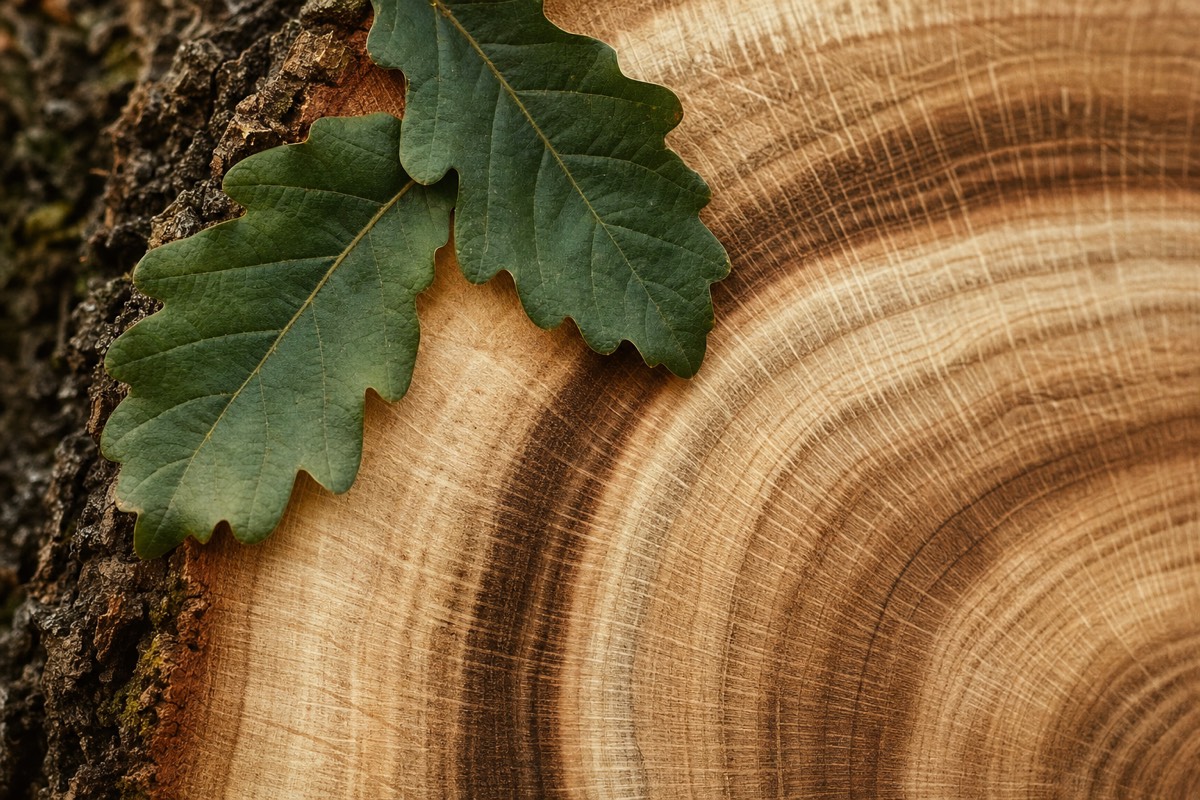
Photo identification
Snap or upload a picture of grain, bark or a full board. Identification runs on a current-generation AI model and returns in seconds.
Wood & tree identifier for iPhone
Point your camera at grain, bark or a board. LasWood names the species in seconds and hands you its hardness, best uses and finishing notes, so the "oak" at the lumberyard can't pretend to be pine.
Download on theApp Store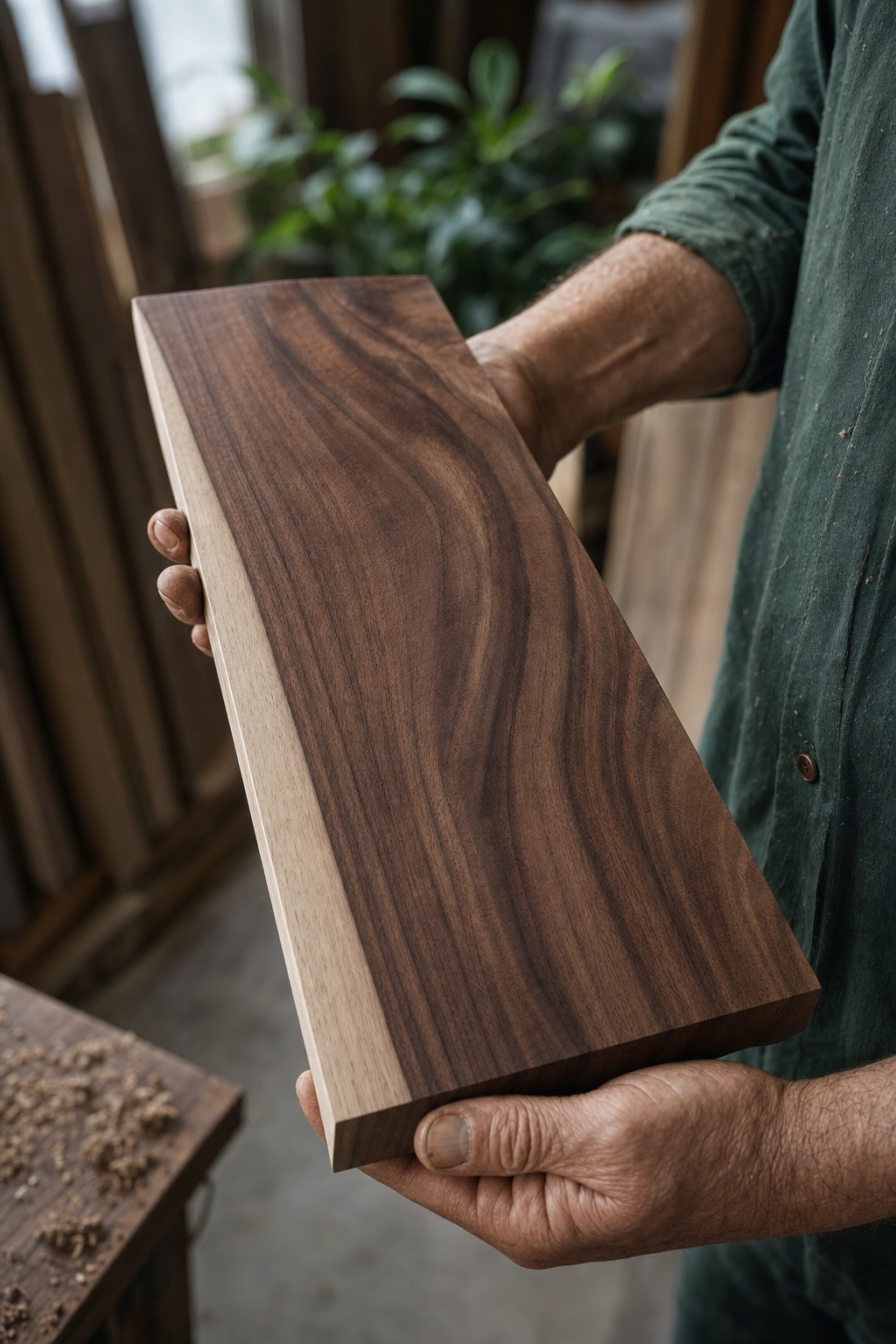
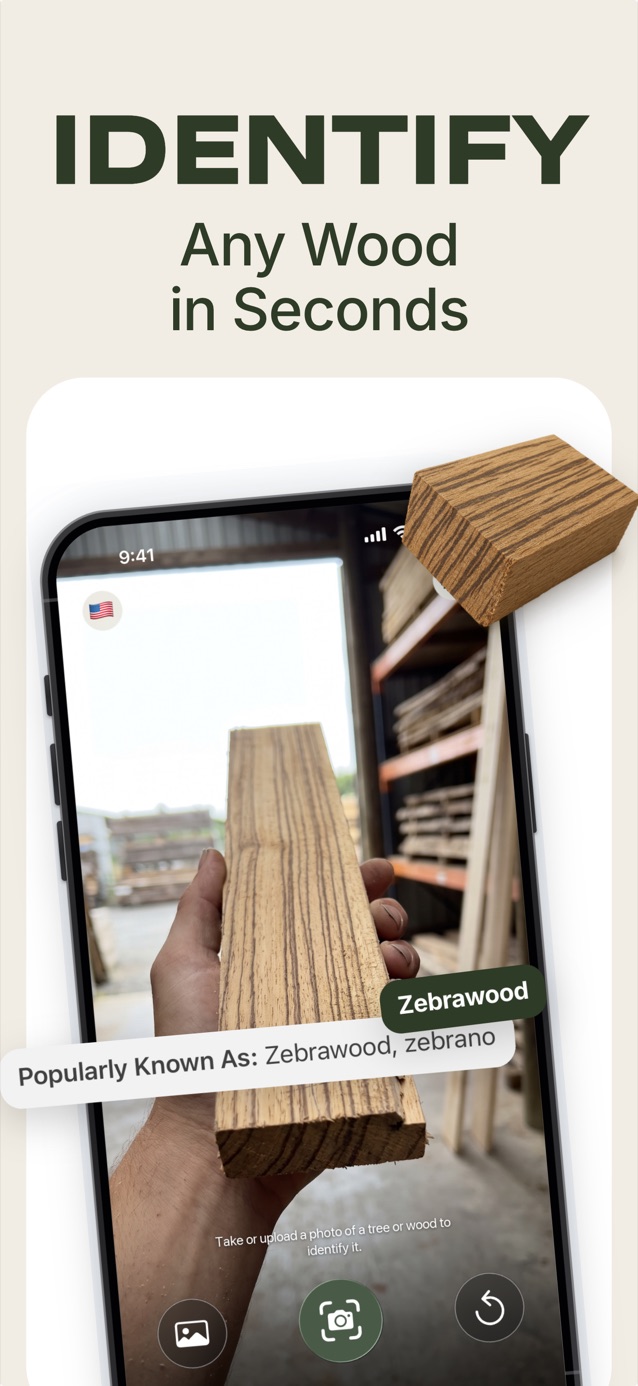
Snap or upload a picture of grain, bark or a full board. Identification runs on a current-generation AI model and returns in seconds.
Every match includes the scientific name, common names, habitat, hardness and typical uses. The zebrawood in our screenshots came back as Microberlinia brazzavillensis, habitat included.
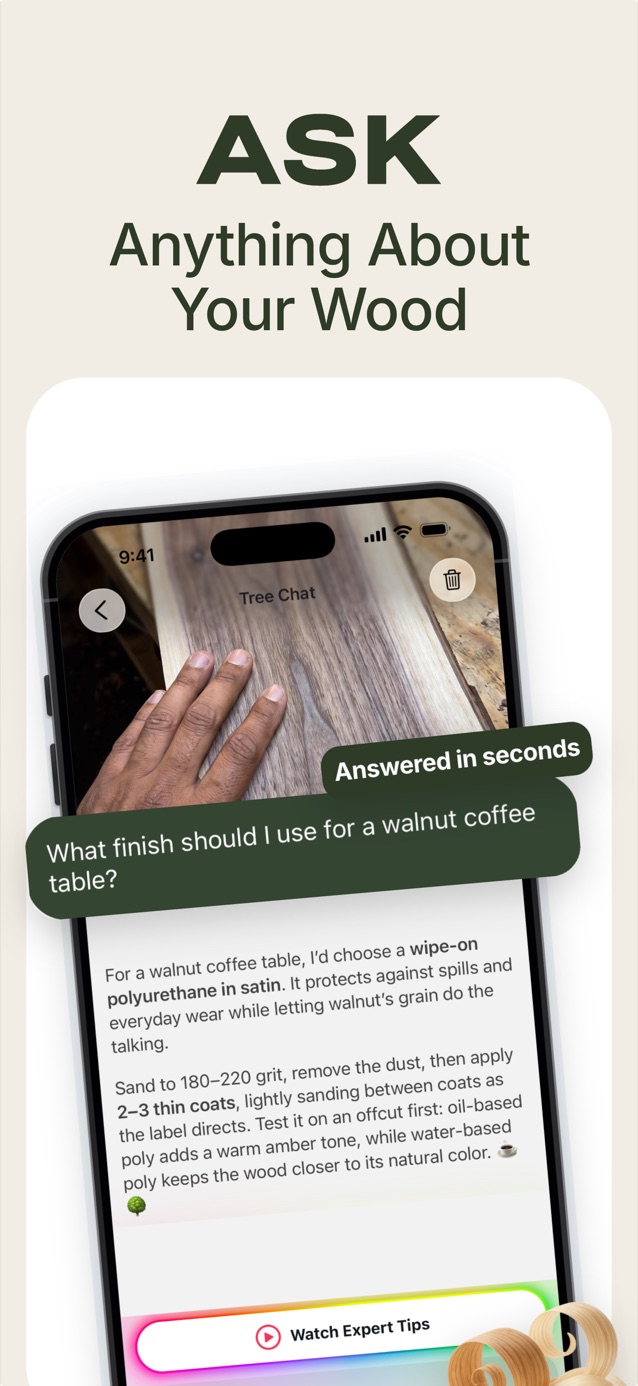
Ask follow-up questions about the exact photo you took. Will it take stain evenly? Is it safe to sand indoors? The answer stays attached to your board.
Each species links to curated videos from working woodworkers, from zebrawood projects to woodturning technique.
Face grain, end grain, bark or a whole tree. Daylight and a clean surface give the best match.
The app returns the identification with a full profile: names, hardness, habitat and working notes.
Chat about your photo, watch expert videos for that species, and check the project guides before you buy or build.


Short, practical answers to the questions that send people to the lumberyard confused.
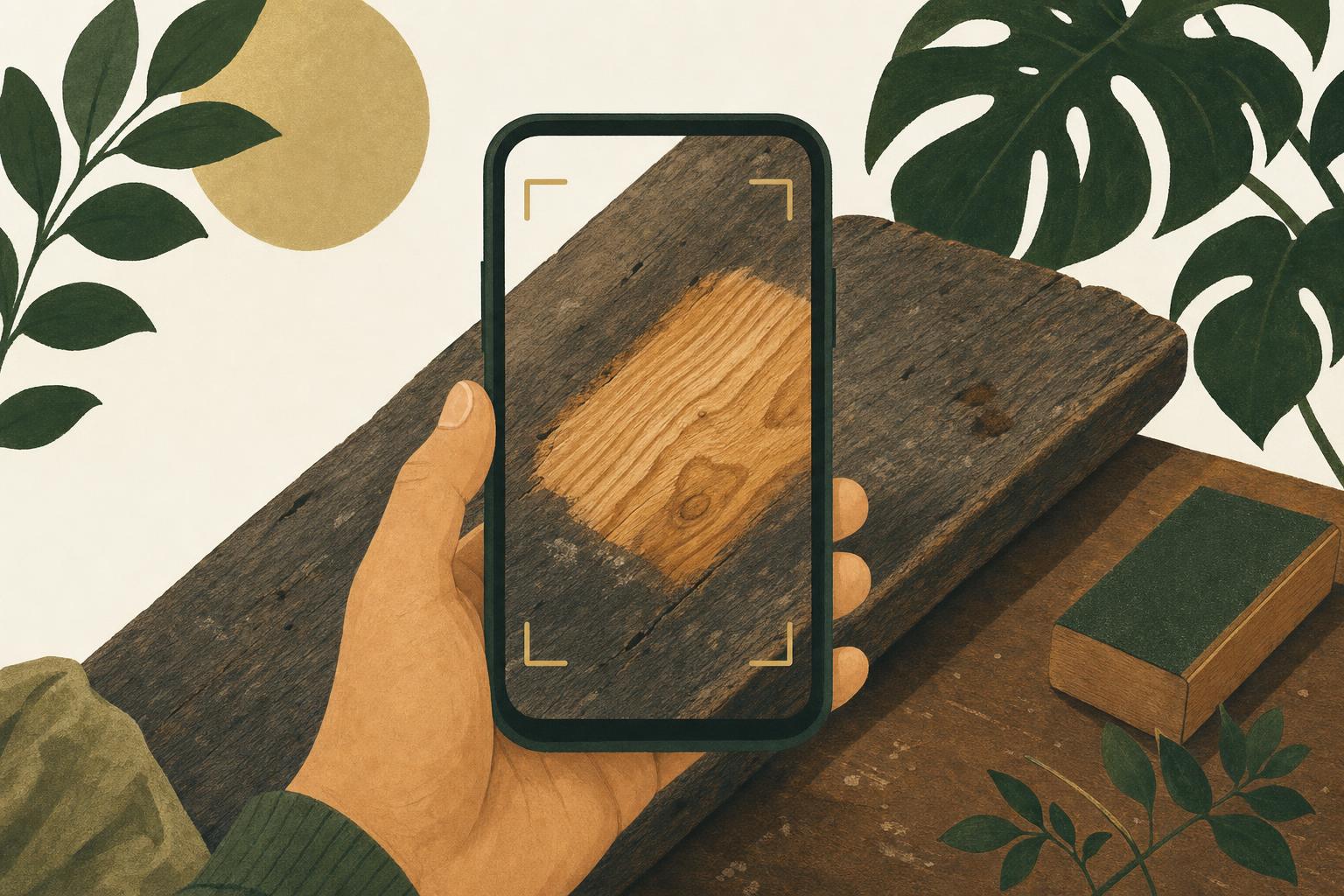
Found a board, pallet or offcut and want to know what it is? Photograph the grain and get the species, hardness and best uses in seconds with LasWood.
Read the guide →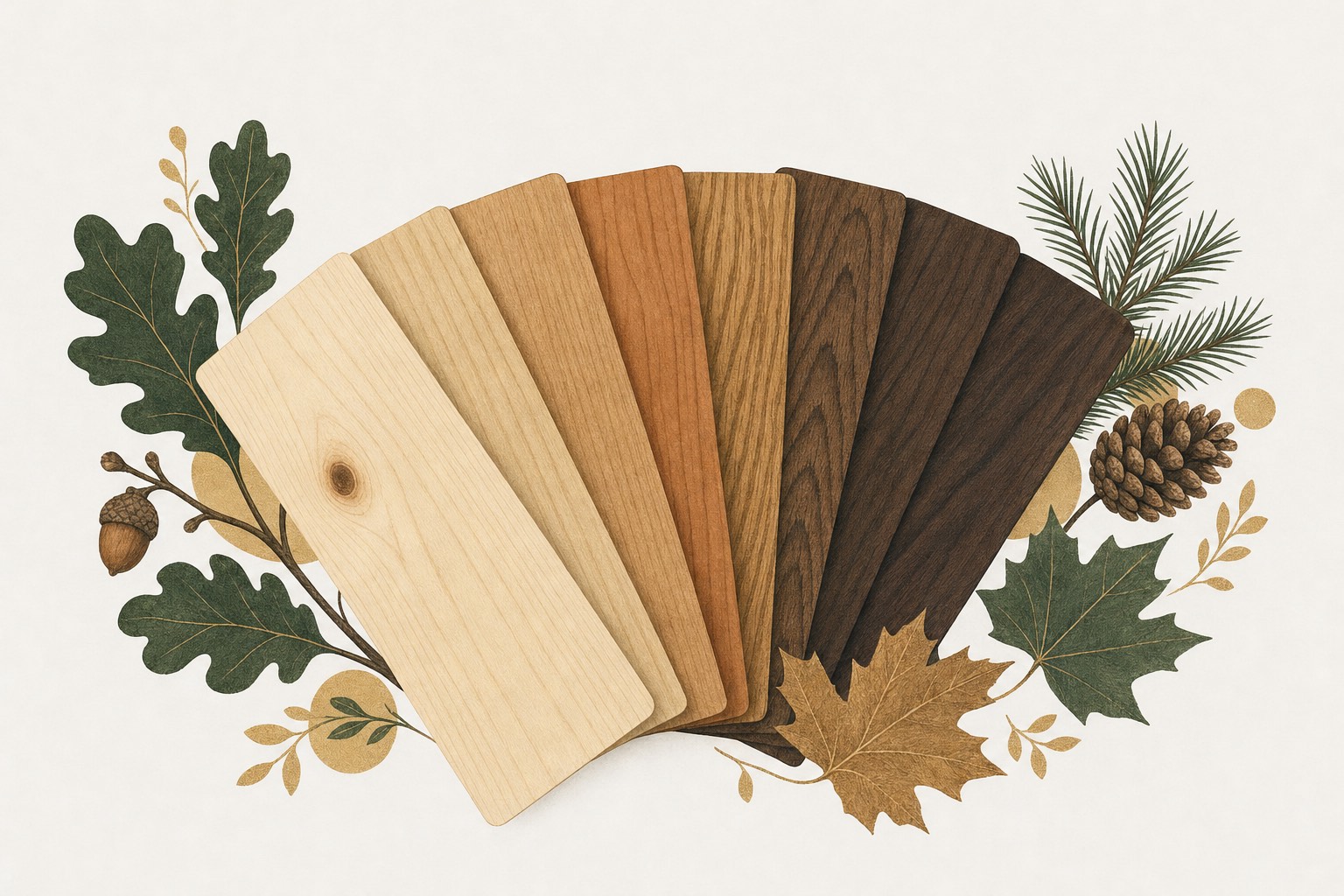
A plain-English guide to the types of wood you will meet at the lumberyard: hardwoods, softwoods and sheet goods, with hardness, looks and best uses for each.
Read the guide →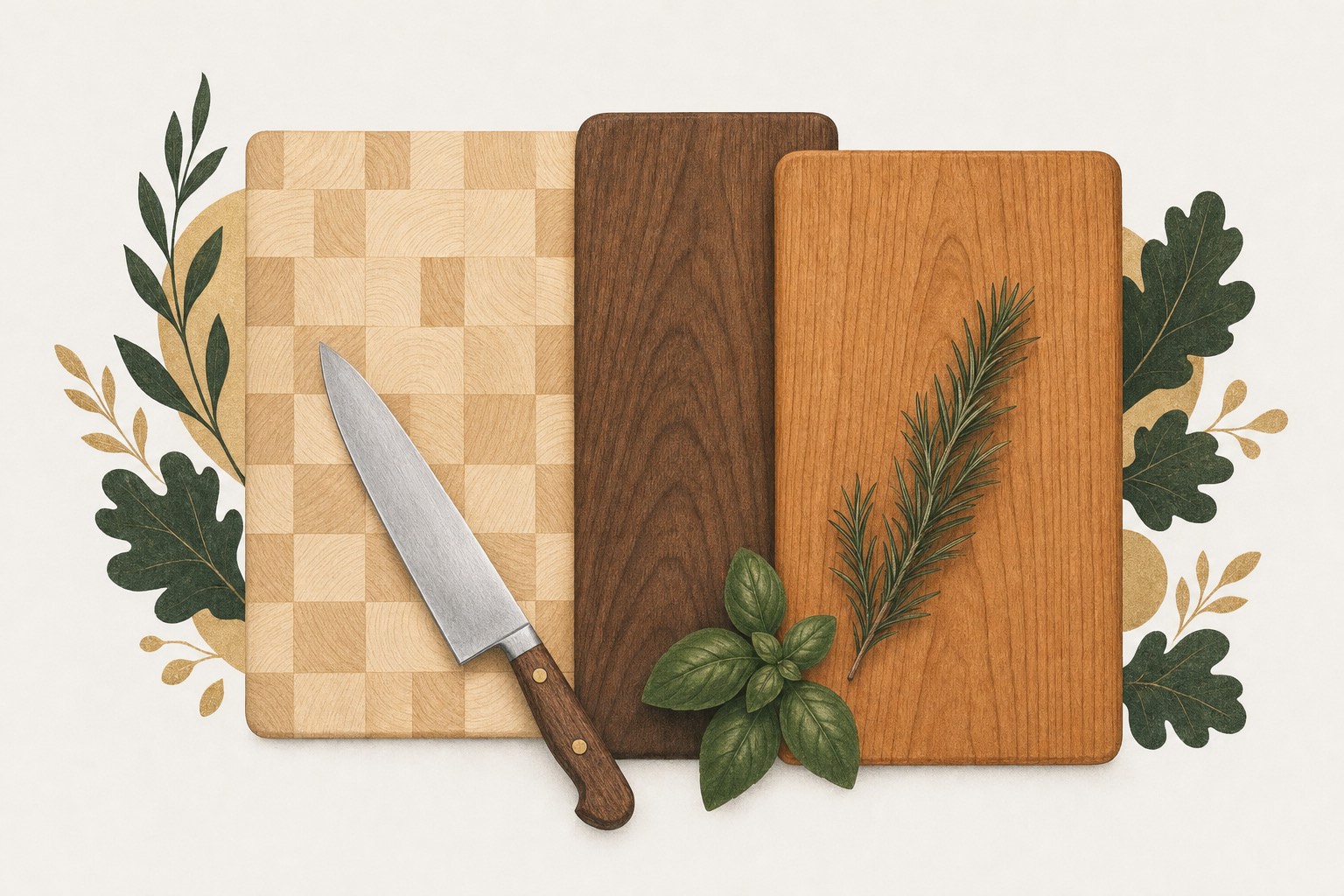
Maple, walnut and cherry make the best cutting boards. Why closed grain and hardness matter, end grain vs edge grain, and which woods to keep out of the kitchen.
Read the guide →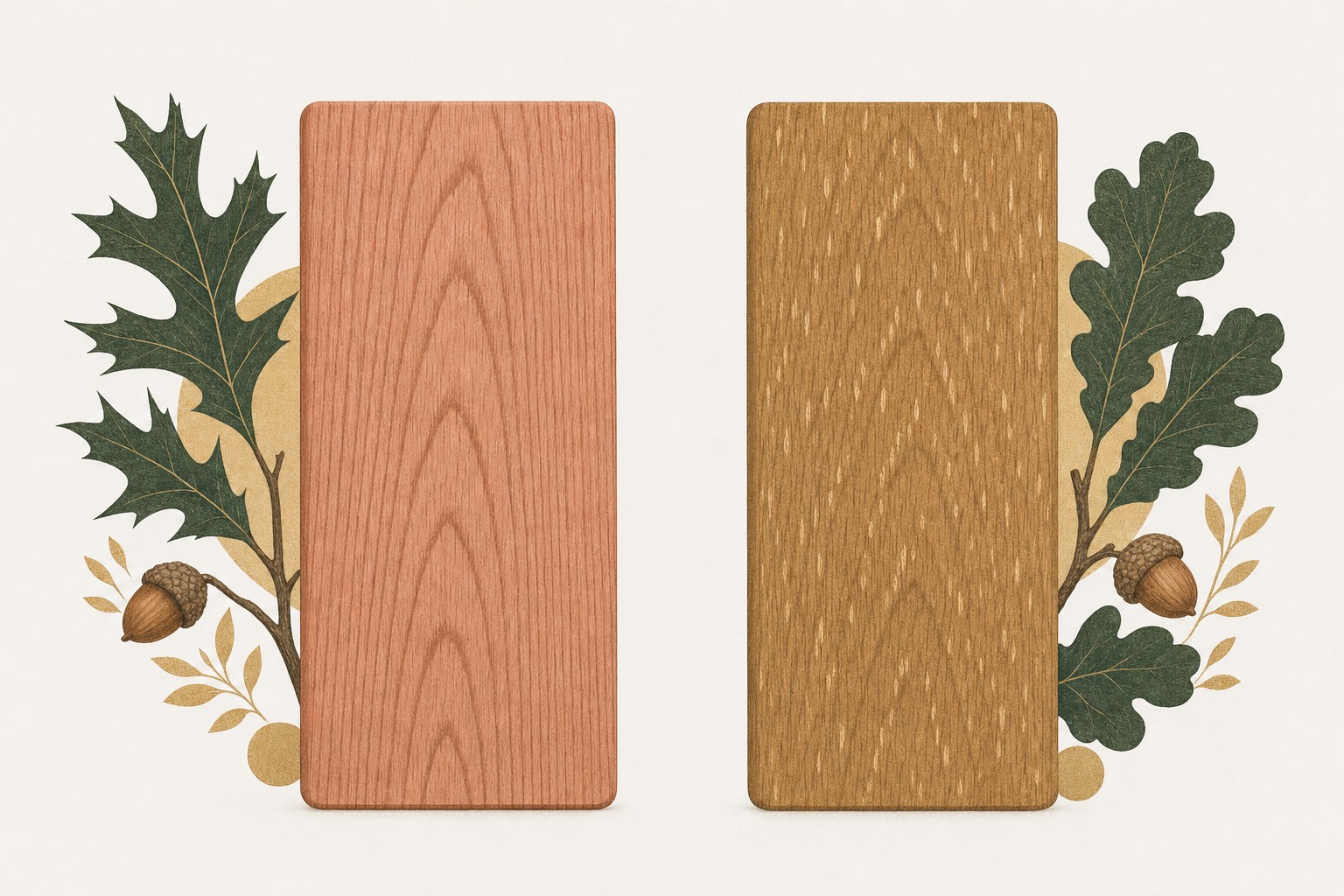
Red oak vs white oak: end grain pores, ray length, color and price, plus which oak suits floors, furniture and outdoor builds. Confirm yours with one photo.
Read the guide →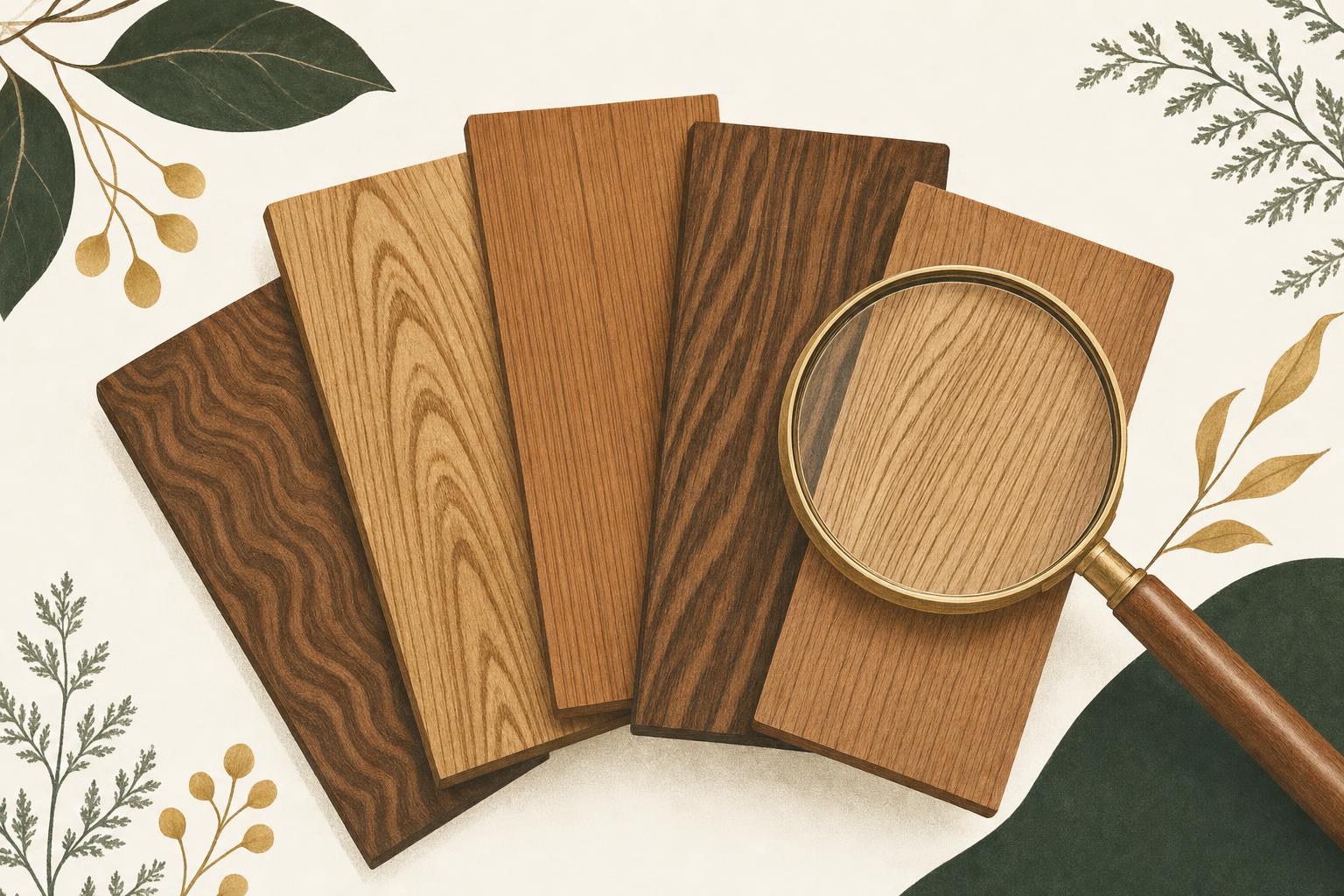
A practical method for identifying wood species: read the grain, check the pores, weigh it in your hand, then confirm with a photo ID. Works on boards and furniture.
Read the guide →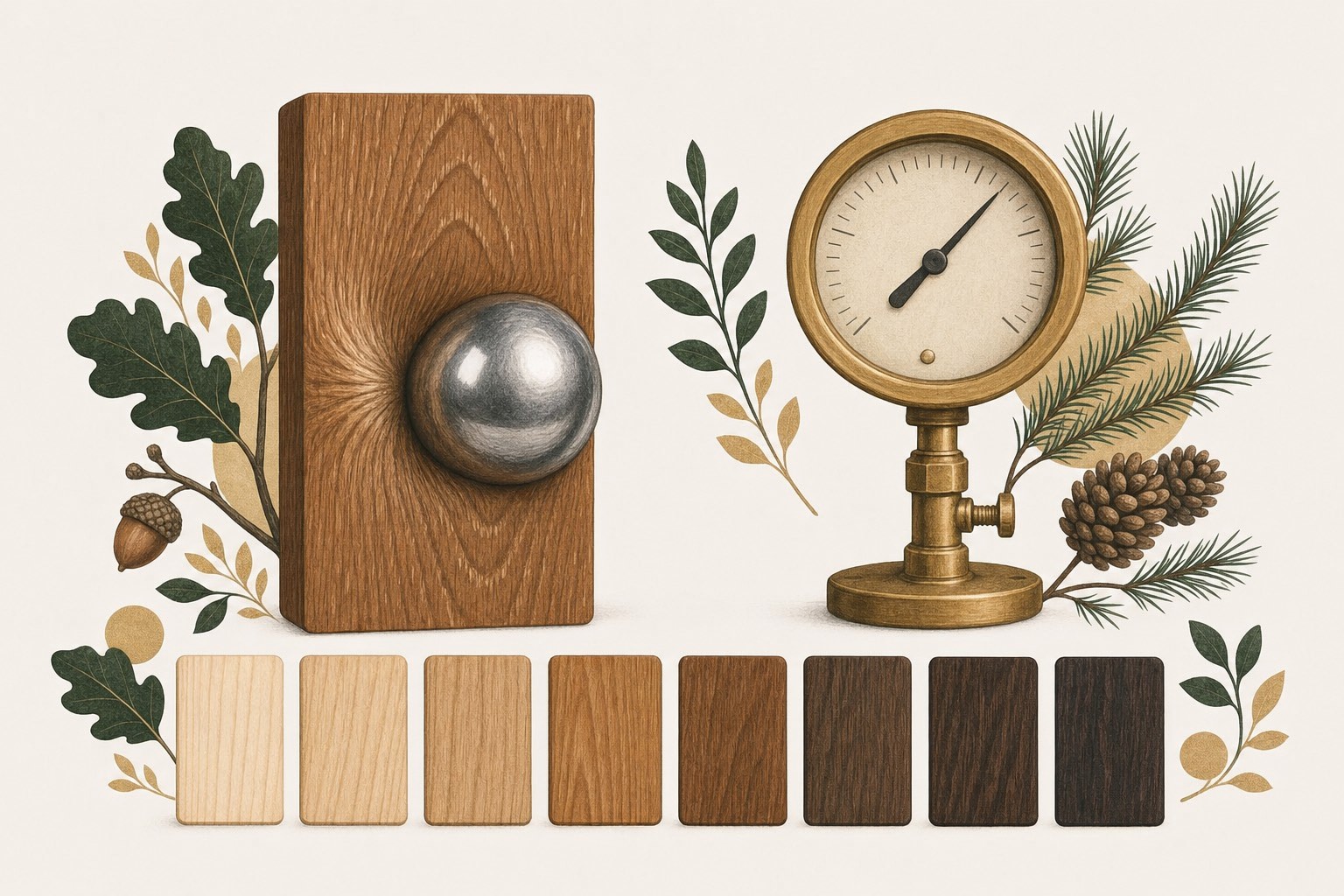
What the Janka hardness test measures, how to read the numbers, and a chart of common woods from balsa to ipe, with what the rating means for floors and furniture.
Read the guide →Photograph a clean, well-lit section of the grain or end grain and let LasWood match it against its species database. The app returns the scientific name, common names, hardness and typical uses in a few seconds. Unfinished surfaces give the most reliable match.
Oak is heavy, has open pores you can feel with a fingernail, and shows ray flecks on quartersawn faces. Pine is light, smells of resin, and dents easily. A photo of the face grain is usually enough for LasWood to separate the two.
The split is botanical, not about hardness. Hardwoods come from broadleaf trees like oak and maple; softwoods come from conifers like pine and cedar. Some hardwoods, balsa for example, are softer than most softwoods.
First check whether it is solid wood at all: look for growth rings on edges and consistent grain over corners. Then photograph an unfinished spot, often inside a drawer or under the top, and identify from there. Stains change color but not grain structure.
End grain exposes the pore structure and growth rings, which differ between species far more than surface color does. A sanded, lightly wetted end grain photo is the most reliable single image you can give an identifier.
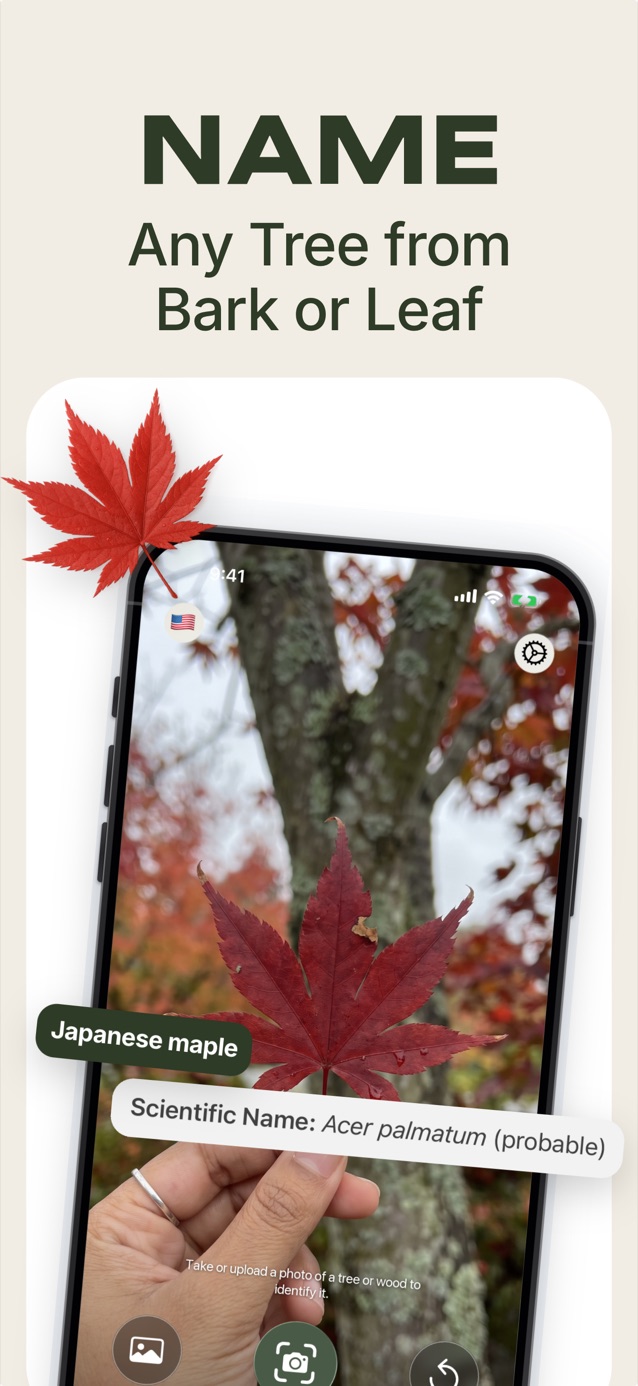
Yes. Bark texture, ridge pattern and color narrow most trees down quickly: shagbark hickory peels in strips, birch is papery and pale, beech stays smooth and gray. LasWood accepts bark photos as well as leaves and wood.
Poplar and pine are cheap, forgiving and easy to cut, which makes them good practice woods. For a piece you want to keep, oak and maple take joinery and finish well. LasWood's project guides match species to chairs, tables and cabinets.
Sand a small patch to expose fresh grain, take a photo in daylight, and run it through LasWood. You get the species, its hardness and what it is good for. Reclaimed and weathered lumber usually needs that fresh surface to identify cleanly.
For furniture and DIY, the everyday list is oak, maple, walnut, cherry, ash, poplar and birch on the hardwood side, and pine, cedar, fir and spruce on the softwood side. Plywood and MDF cover most sheet goods. Each has a clear job, from poplar for painted work to cedar for anything outdoors.
Hard maple is the standard: dense, closed-grained, food-safe and gentle on knife edges. Walnut and cherry are close behind. Avoid open-pored woods like red oak, and skip exotic species that are known skin sensitizers.
Look at the end grain. White oak's pores are plugged with tyloses, so they look filled; red oak's are open tubes. White oak also shows longer rays on the face, and red oak usually has a pink cast. A clear end grain photo lets LasWood separate the two.
Pallets stamped HT (heat treated) are generally fine for furniture and decor. Avoid pallets stamped MB, which were fumigated with methyl bromide, and any pallet with stains, spills or an unknown history. Never use pallet wood for cutting boards or anything that touches food.
It is the force needed to press a 0.444-inch steel ball halfway into a piece of wood, reported in pounds-force (lbf) or newtons. Higher numbers resist dents better: white pine is about 380 lbf, red oak about 1290 and hard maple about 1450.
Basswood is the classic beginner carving wood: soft, even and almost grainless. Butternut, white pine and tupelo are good alternatives. For spoons and green woodworking, freshly cut birch, cherry and maple carve easily while wet.
The app is free to download on iOS with a subscription for unlimited identifications: $39.99 a year or a $59.99 one-time purchase. Species profiles, Tree Chat and the expert video library are all included.
Download LasWood and identify your first board today.
Download on theApp Store