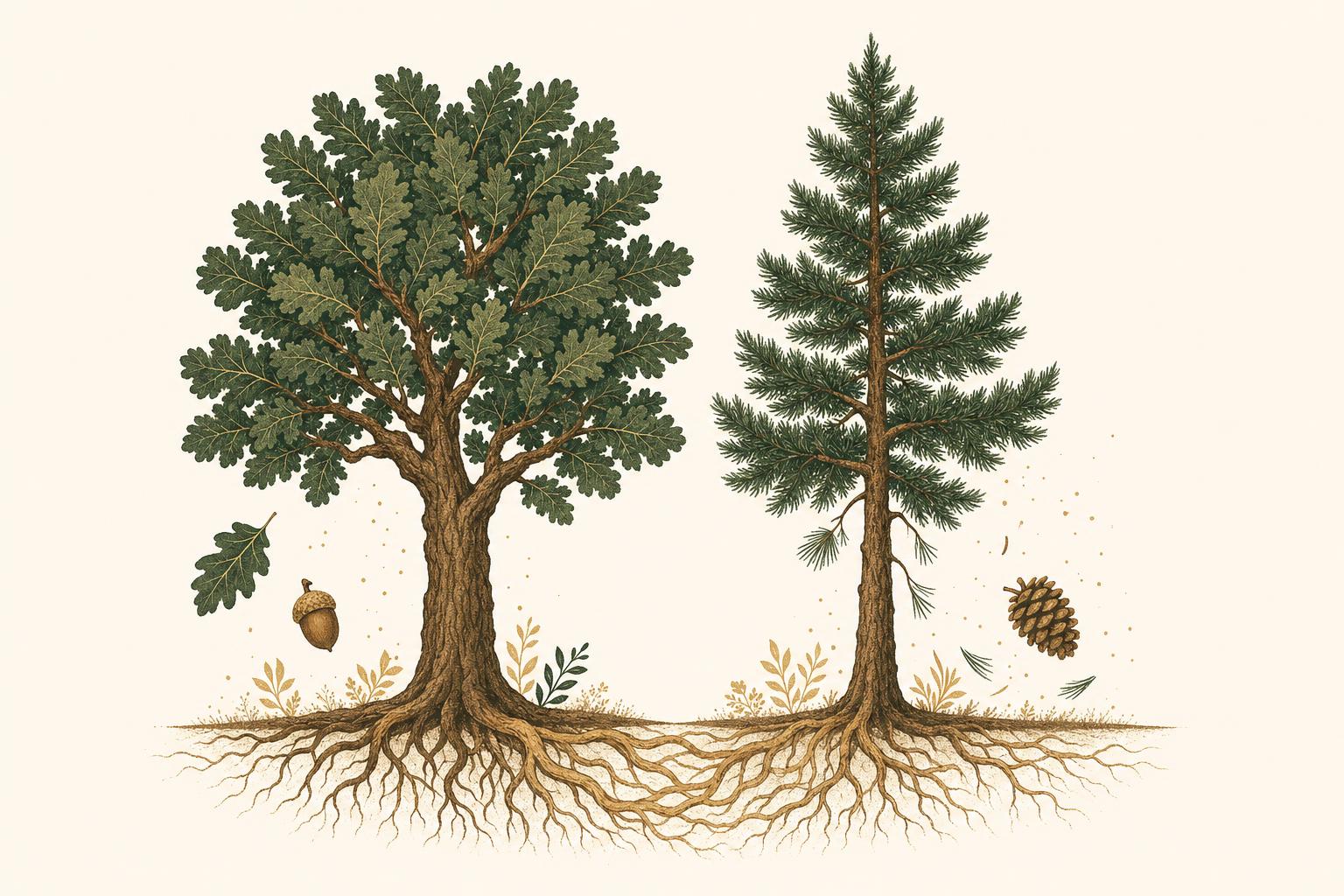
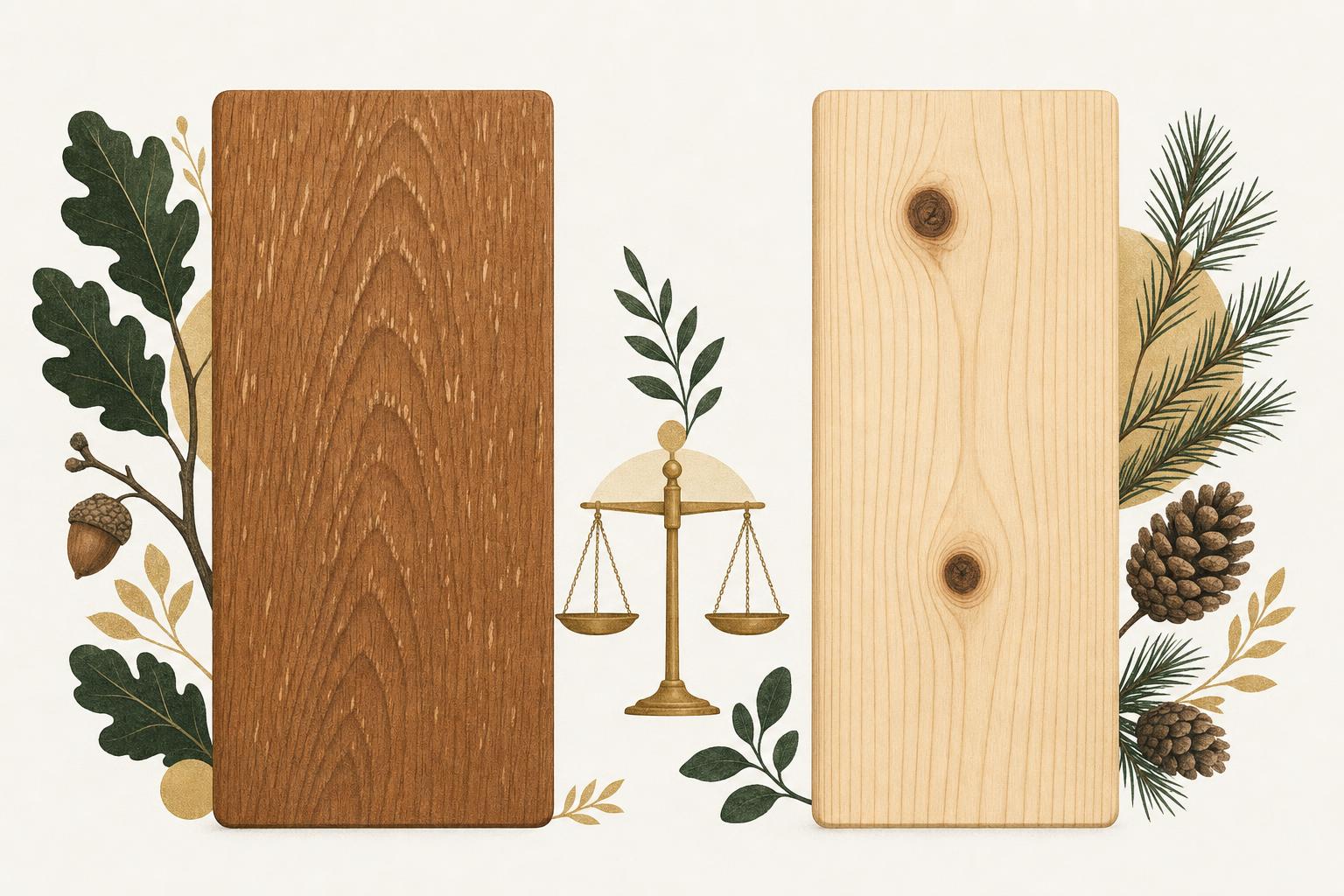
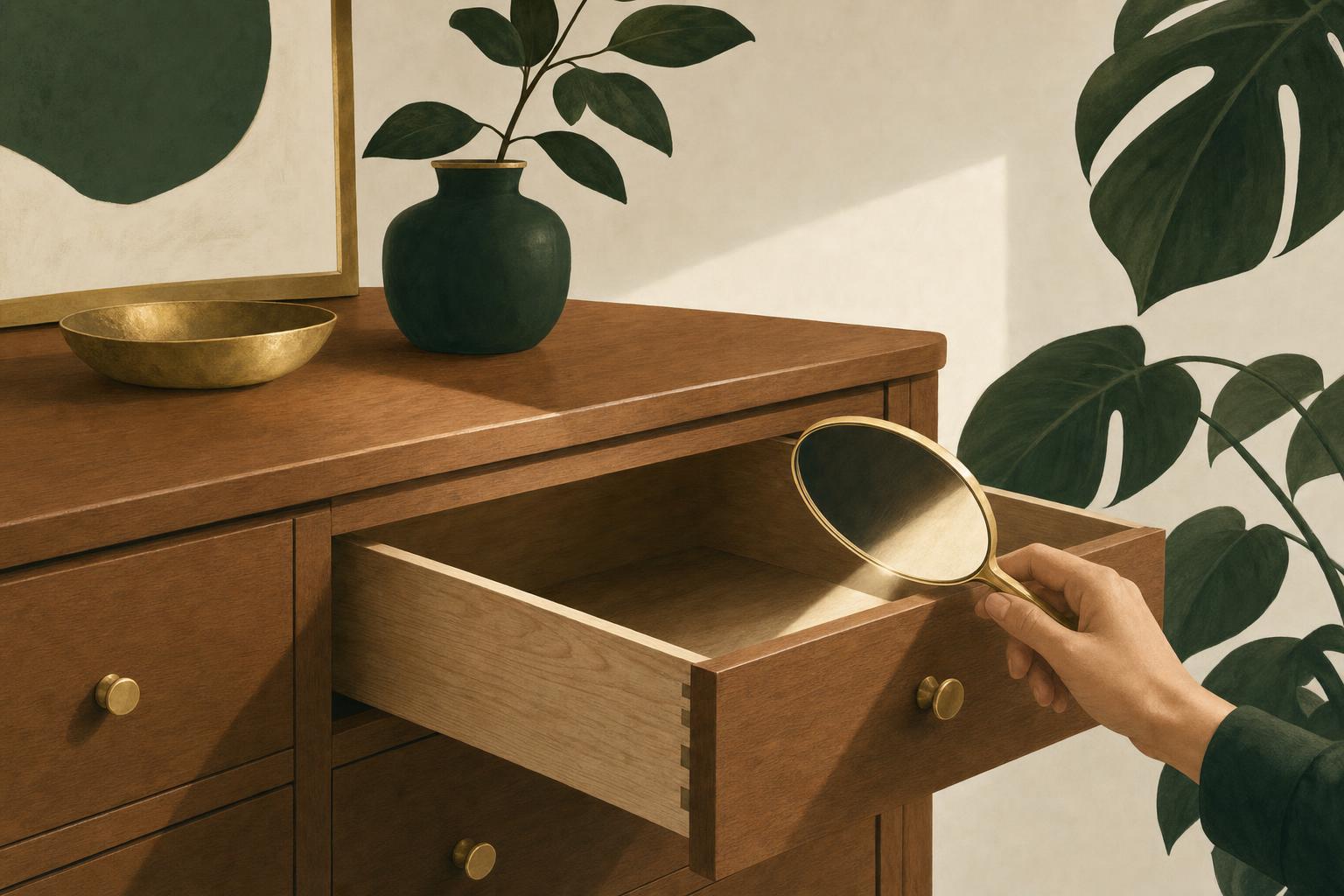
The best wood for furniture projects
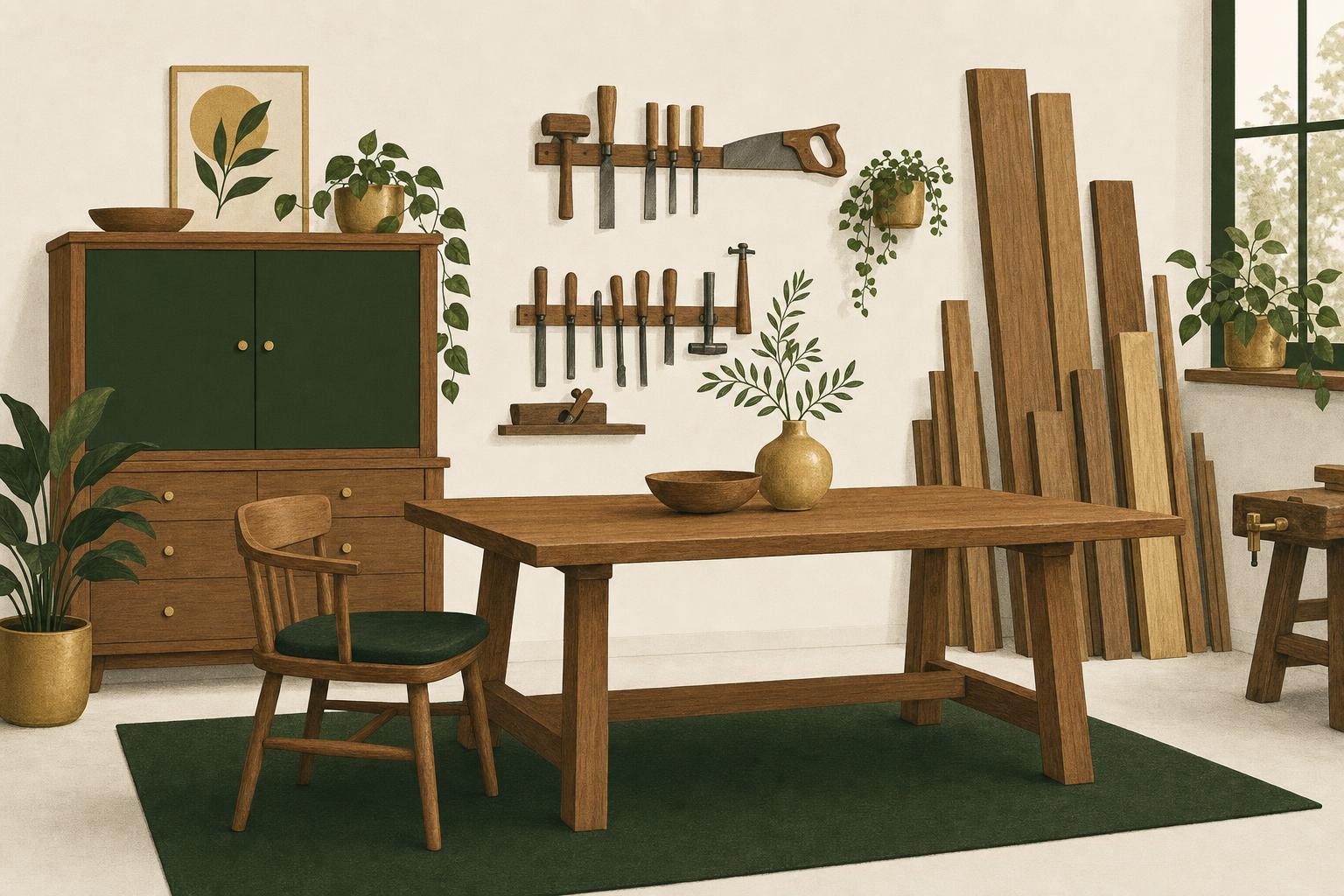
For a dining table, use oak, maple or walnut. For chairs, ash or oak, since chair joints take shear loads that soft woods work loose. For painted cabinets, poplar; for clear-finished ones, cherry or white oak. For a first project you might scrap, pine. The rest of this guide explains those defaults and when to break them.
Tables: hardness where hands land
A tabletop takes plates, keys, homework and hot cups. Red oak (Janka 1290) and hard maple (1450) resist the abuse and stay flat in wide glue-ups. Walnut costs more, machines beautifully and turns a plain design into furniture people ask about. Pine works for a farmhouse look if you accept dents as character; they arrive quickly.
Chairs: strength in small sections
Chair parts are thin, and every sitter levers the back legs. Ash is the traditional answer: strong along the grain, slightly springy, happy to be steam-bent. Oak matches it. Avoid poplar and pine here; a 3/4-inch pine spindle is a broken spindle waiting for a lean.
Cabinets and shelves
Painted cabinets want poplar or soft maple: stable, cheap, smooth under paint. Clear-finished cabinets are where cherry and white oak earn their price, and a plywood case with hardwood face frames gives stability without the cost of solid panels everywhere. Bookshelves in solid pine sag under a full row of hardcovers at spans past 30 inches; oak or maple hold the line.
Matching the board to the plan
LasWood's project guides pair species with builds, chairs, tables, cabinets and more, and each identification includes hardness, movement and finishing notes. That matters most at the lumberyard when a stack is labeled only "hardwood": one photo tells you whether the bargain board is soft maple at a good price or poplar at a bad one. The expert video library covers the next step, from milling to finish.

Questions people ask
What is the cheapest hardwood good enough for real furniture?
Poplar for painted work and red oak for clear finishes. Red oak is often the least expensive cabinet-grade hardwood at US lumberyards, and it takes stain and joinery well.
Does wood movement really matter for a beginner build?
Yes, on anything wider than about six inches. Solid panels expand and contract across the grain with humidity; leave room in frames and fasten tops with slotted or figure-eight fasteners.