Wood and tree identification guides
Field-tested answers on identifying wood species, reading grain and choosing lumber, written around what the LasWood app can check for you.
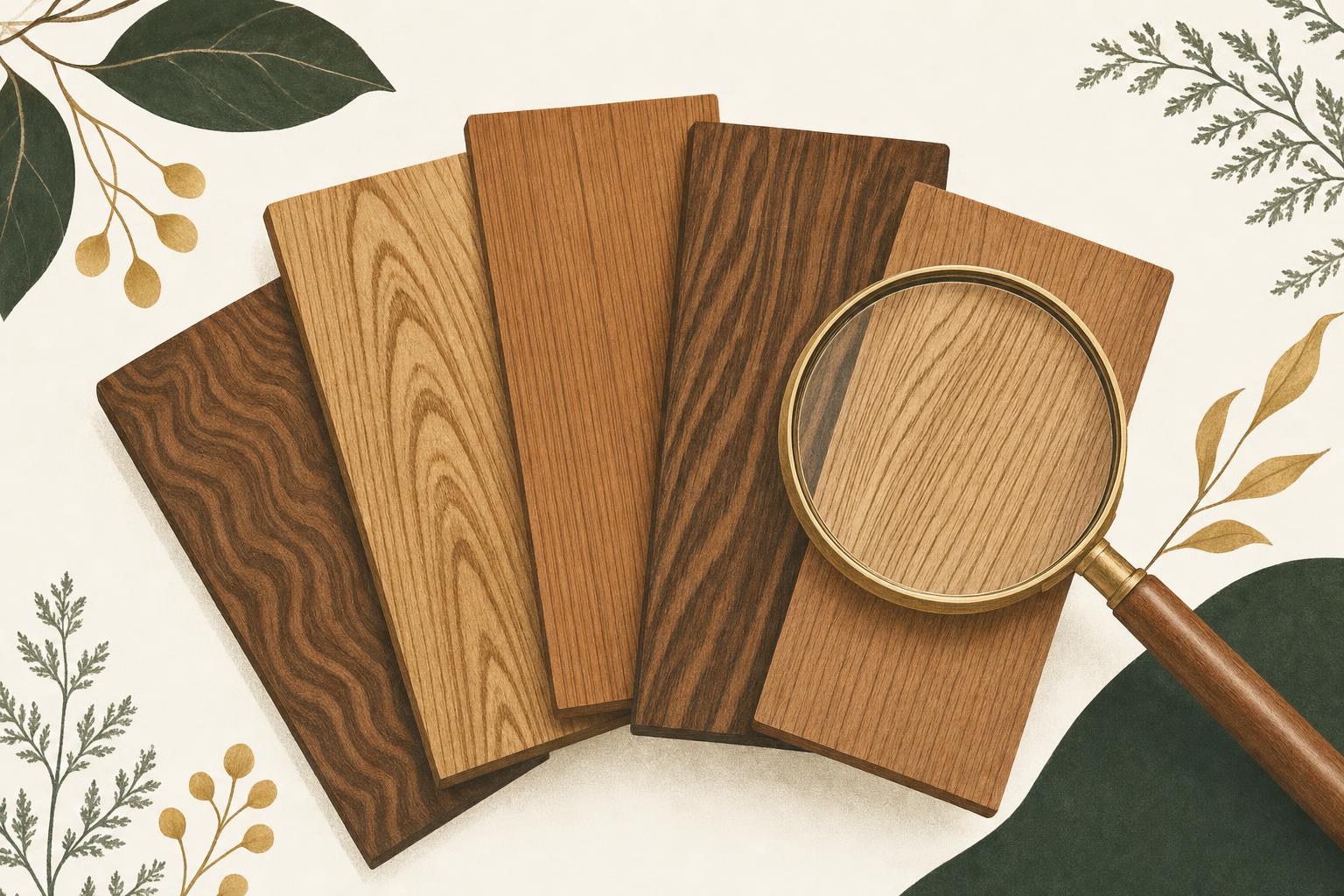
How to identify wood species
A practical method for identifying wood species: read the grain, check the pores, weigh it in your hand, then confirm with a photo ID. Works on boards and furniture.
Read the guide →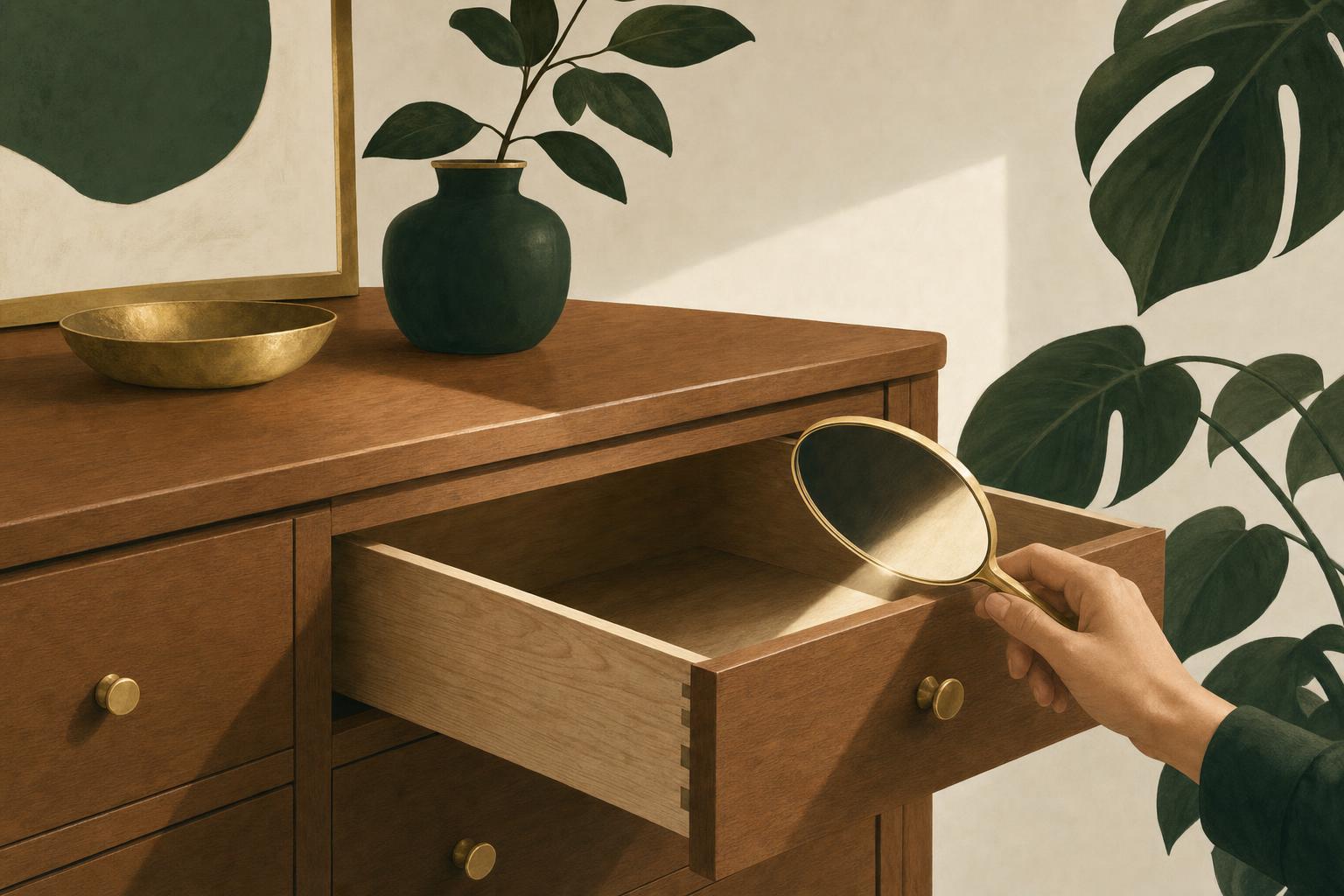
How to identify wood types in furniture
Find out what wood your furniture is made of: rule out veneer and MDF, read grain through the finish, and photo-ID an unfinished spot. No scratch tests needed.
Read the guide →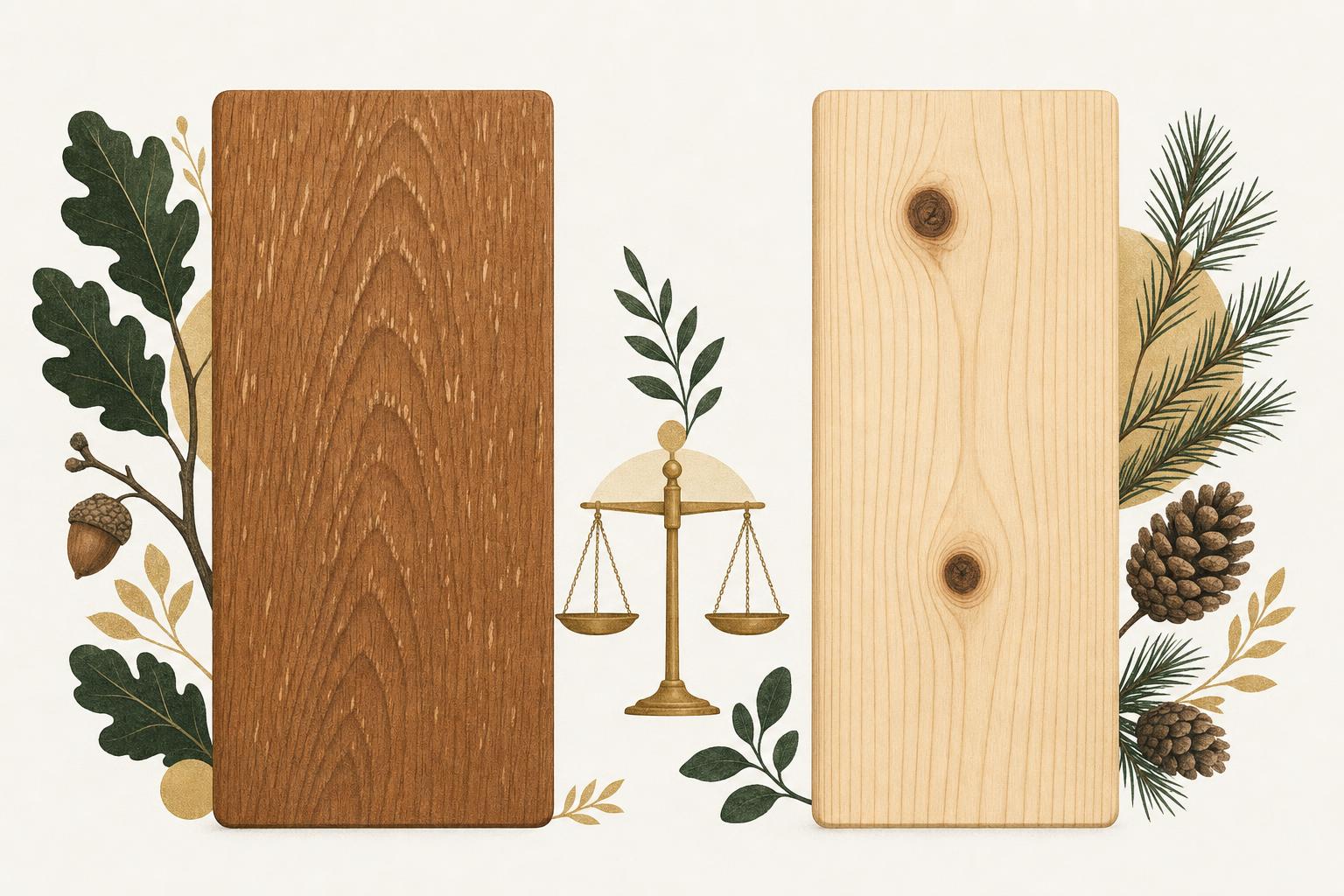
How to tell oak from pine
Oak vs pine in under a minute: weight, pores, knots, smell and hardness. Plus how to confirm with a photo when a board is stained to look like oak.
Read the guide →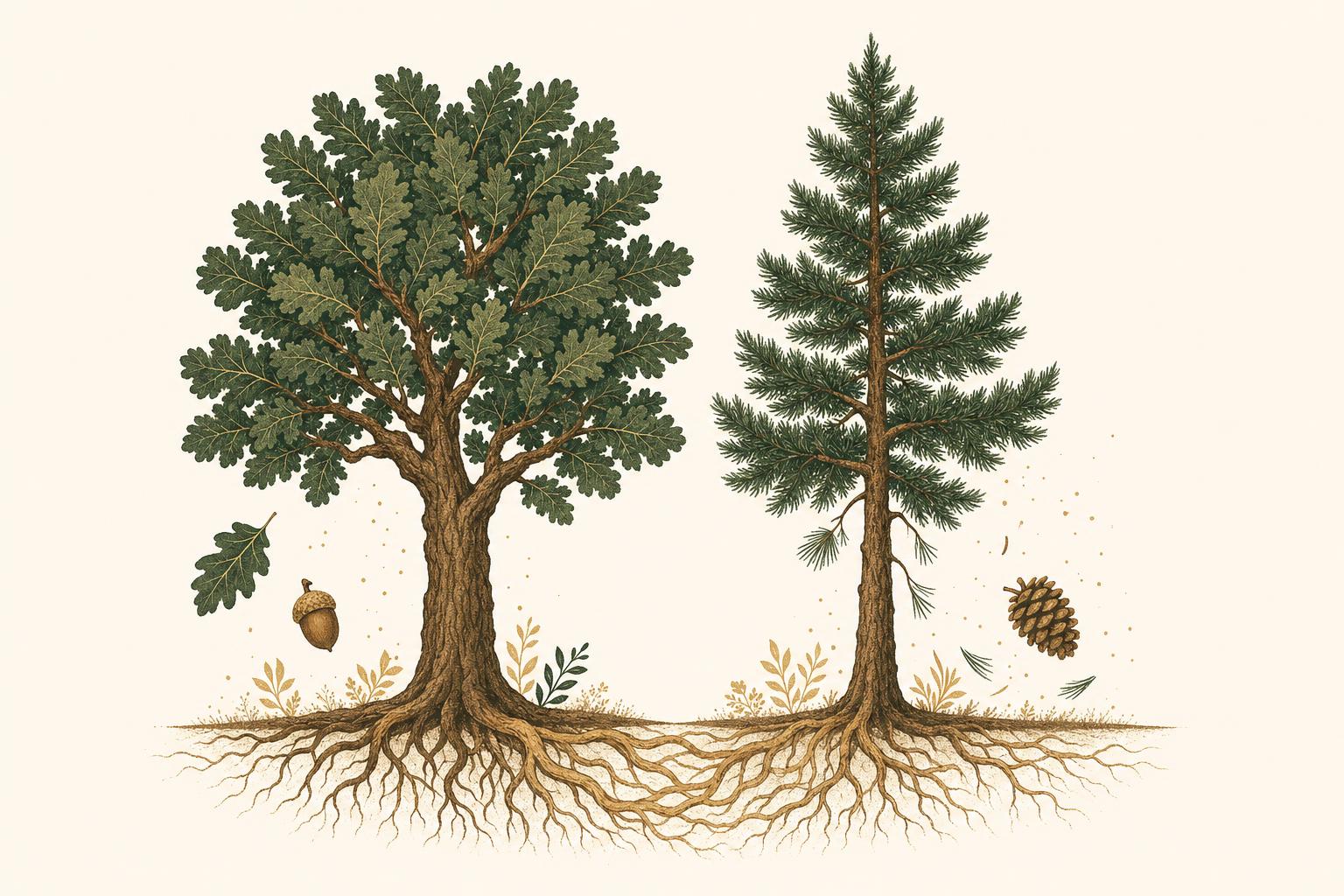
Hardwood vs softwood: what actually differs
Hardwood vs softwood explained without jargon: the botanical split, the Janka scale, and which to pick for furniture, framing, and outdoor projects.
Read the guide →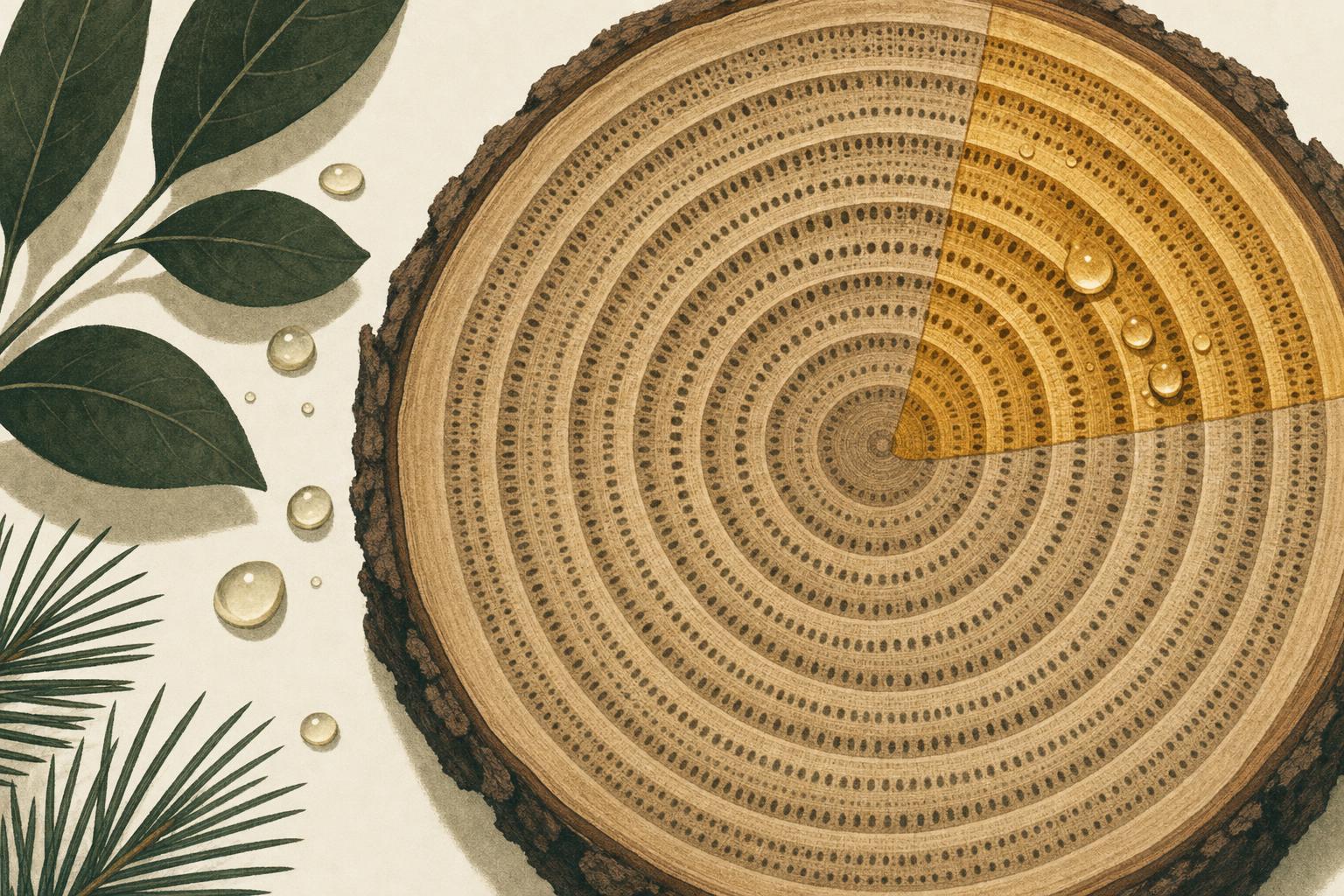
How to identify wood by end grain
End grain is the fingerprint of a board. Learn to prep it, read ring-porous vs diffuse-porous patterns, and photo-ID species from a single end grain shot.
Read the guide →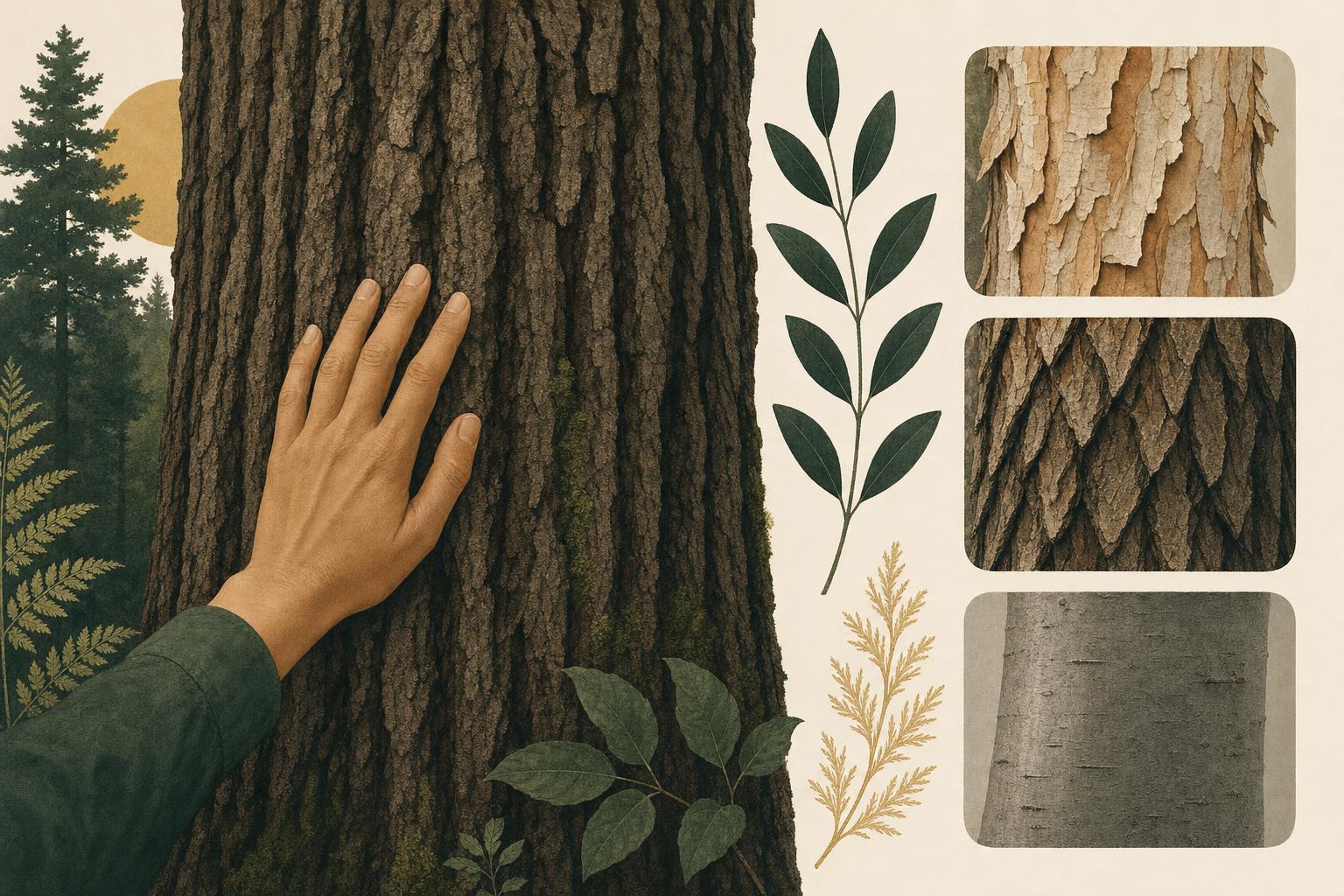
How to identify a tree by its bark
Bark texture, ridge pattern and color identify most trees year-round. A field guide to reading bark, plus how to confirm the species with one photo.
Read the guide →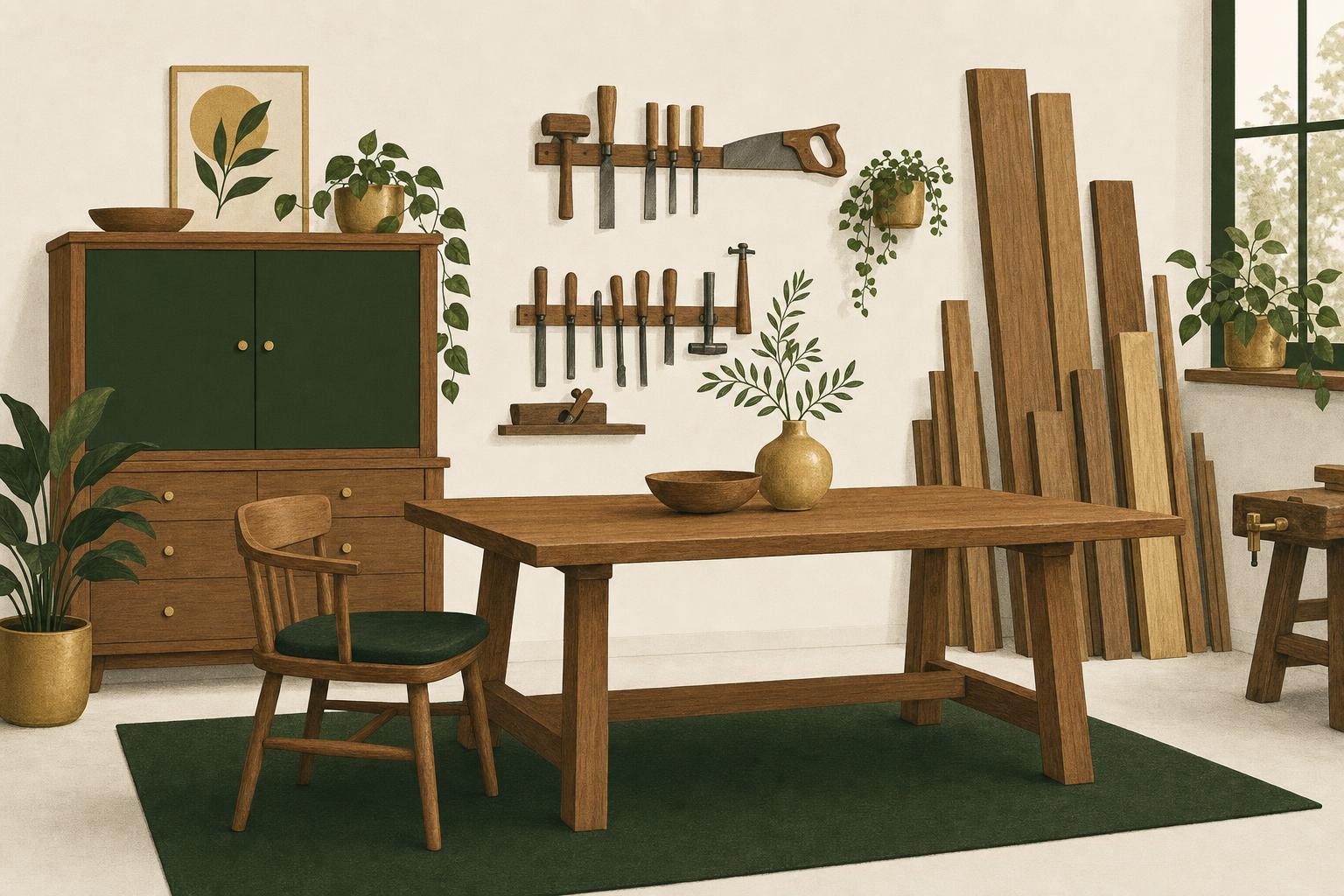
The best wood for furniture projects
Which wood for which build: oak and maple for tables, ash for chairs, cherry for cabinets, poplar for painted work. Costs, hardness and honest trade-offs.
Read the guide →
What wood is this? One photo answers it
Found a board, pallet or offcut and want to know what it is? Photograph the grain and get the species, hardness and best uses in seconds with LasWood.
Read the guide →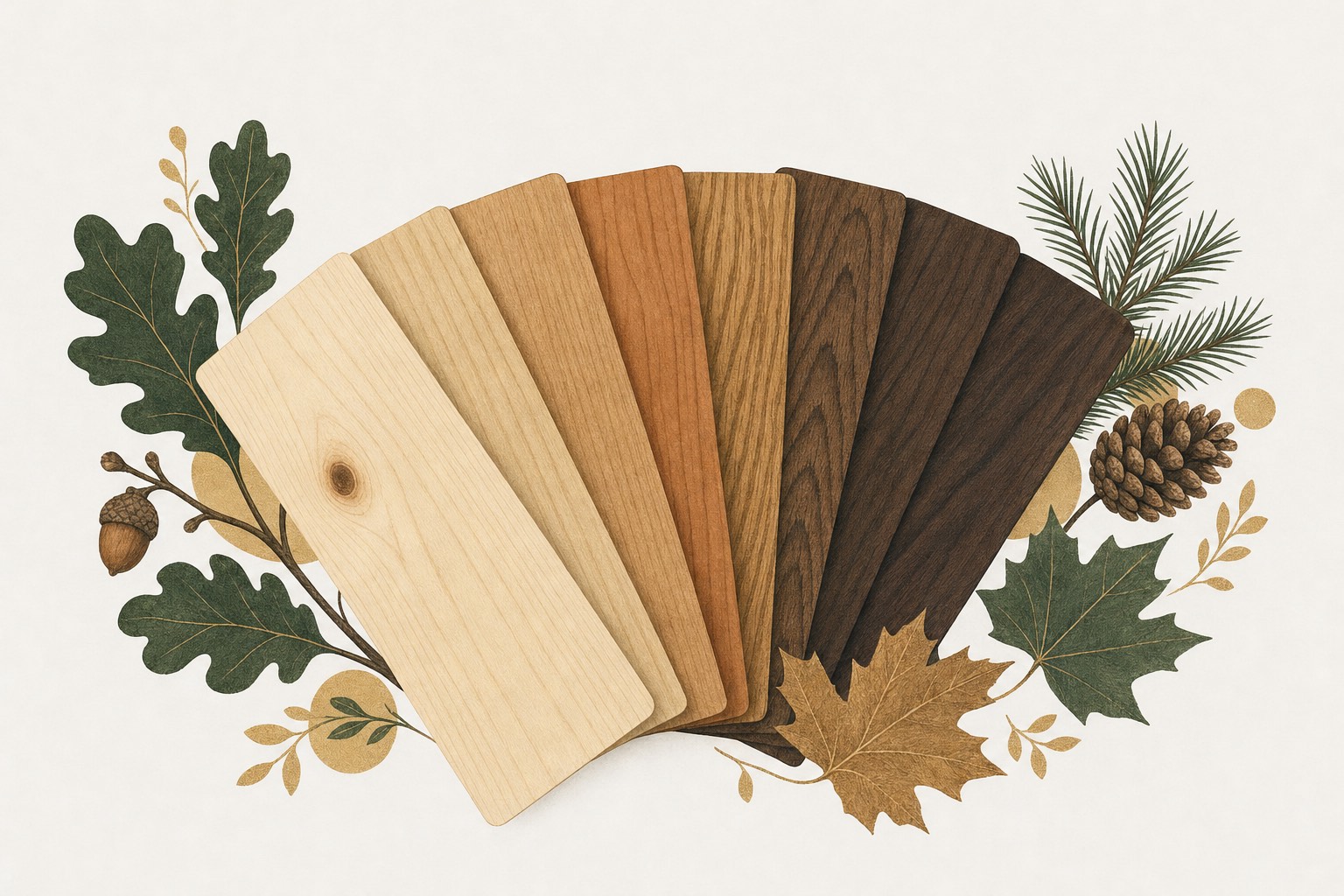
Types of wood and what each one is for
A plain-English guide to the types of wood you will meet at the lumberyard: hardwoods, softwoods and sheet goods, with hardness, looks and best uses for each.
Read the guide →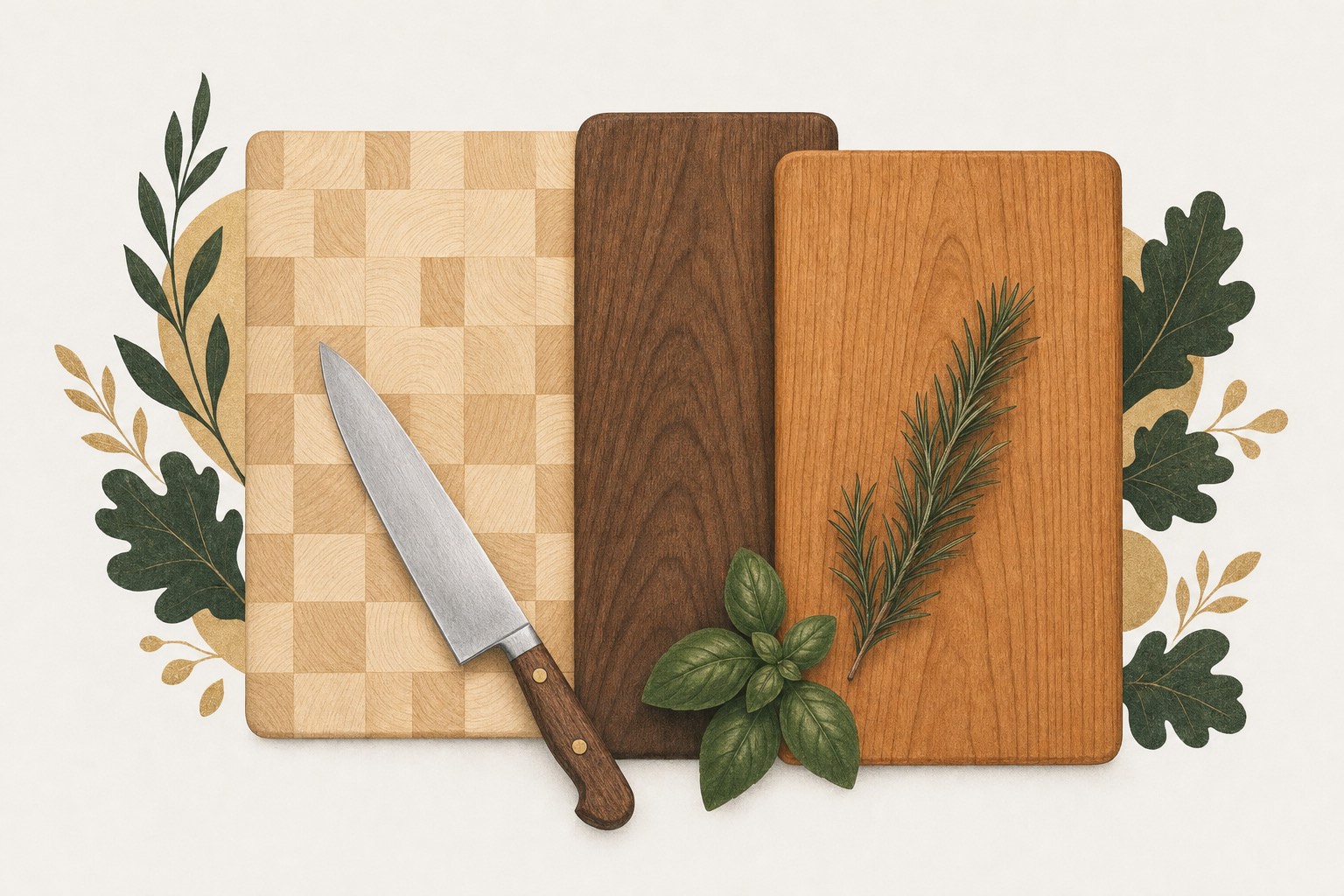
The best wood for cutting boards
Maple, walnut and cherry make the best cutting boards. Why closed grain and hardness matter, end grain vs edge grain, and which woods to keep out of the kitchen.
Read the guide →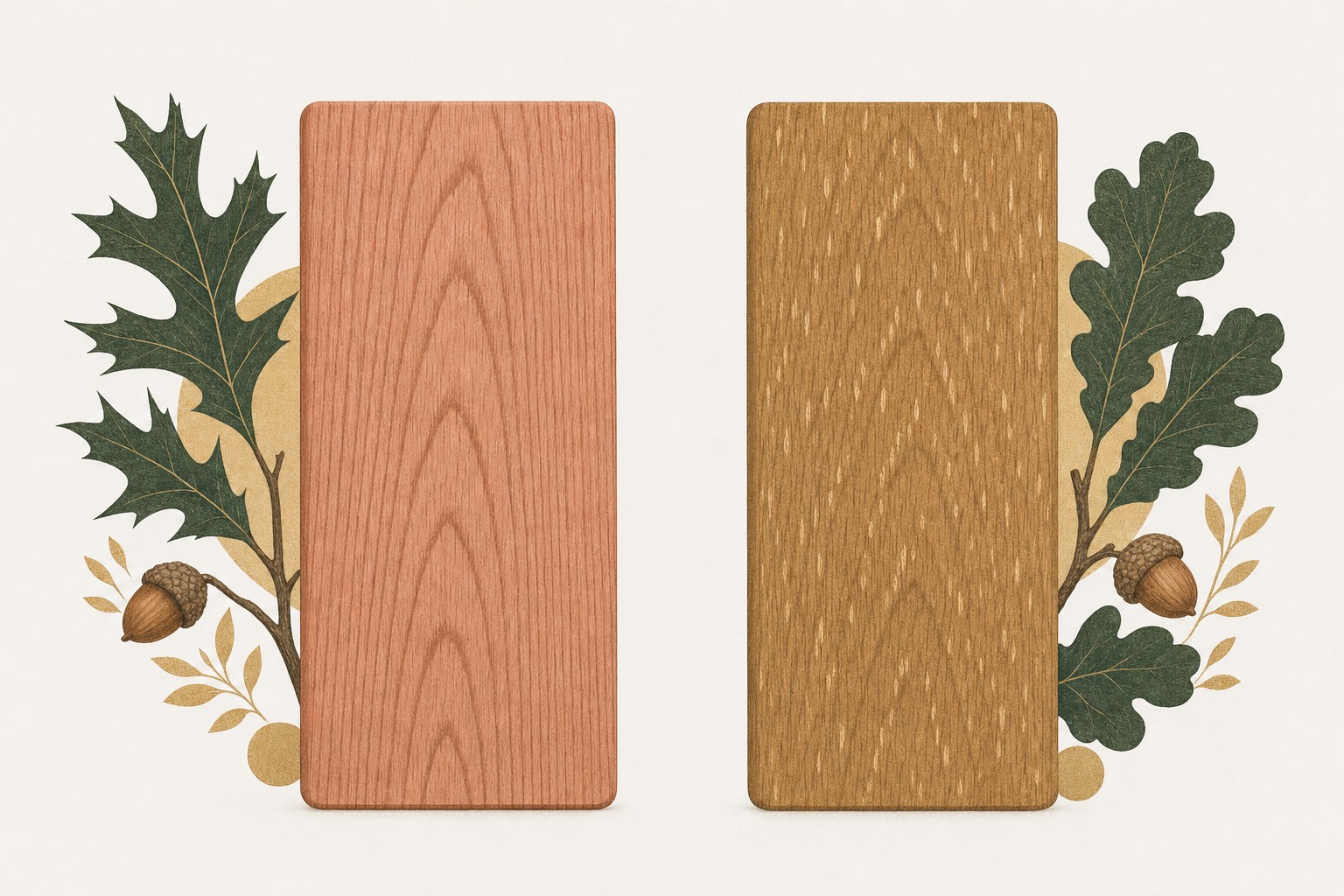
Red oak vs white oak
Red oak vs white oak: end grain pores, ray length, color and price, plus which oak suits floors, furniture and outdoor builds. Confirm yours with one photo.
Read the guide →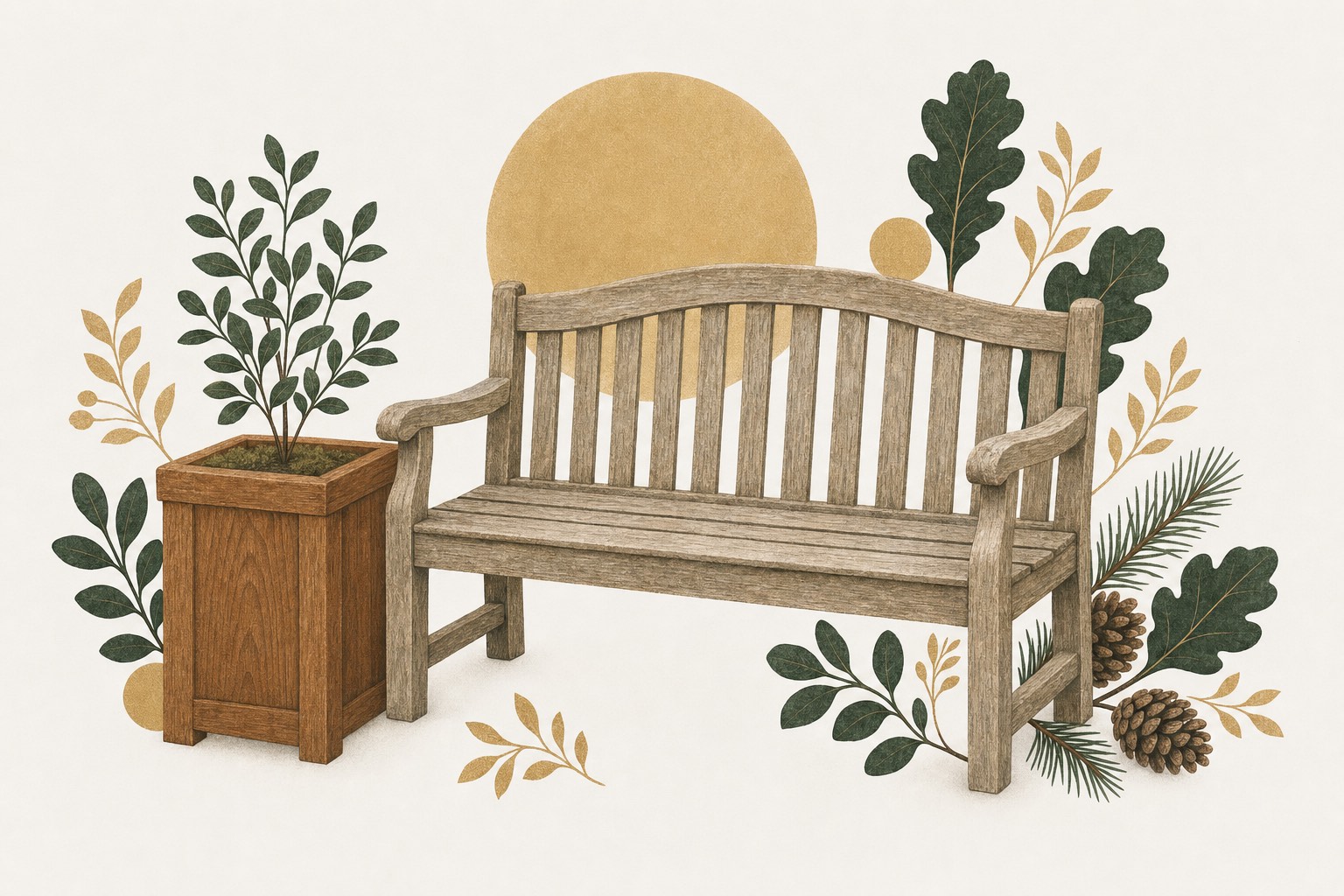
The best wood for outdoor furniture
Teak, white oak, cedar, redwood, cypress, ipe and black locust survive sun and rain. How long each lasts, what it costs, and the woods that rot in one season.
Read the guide →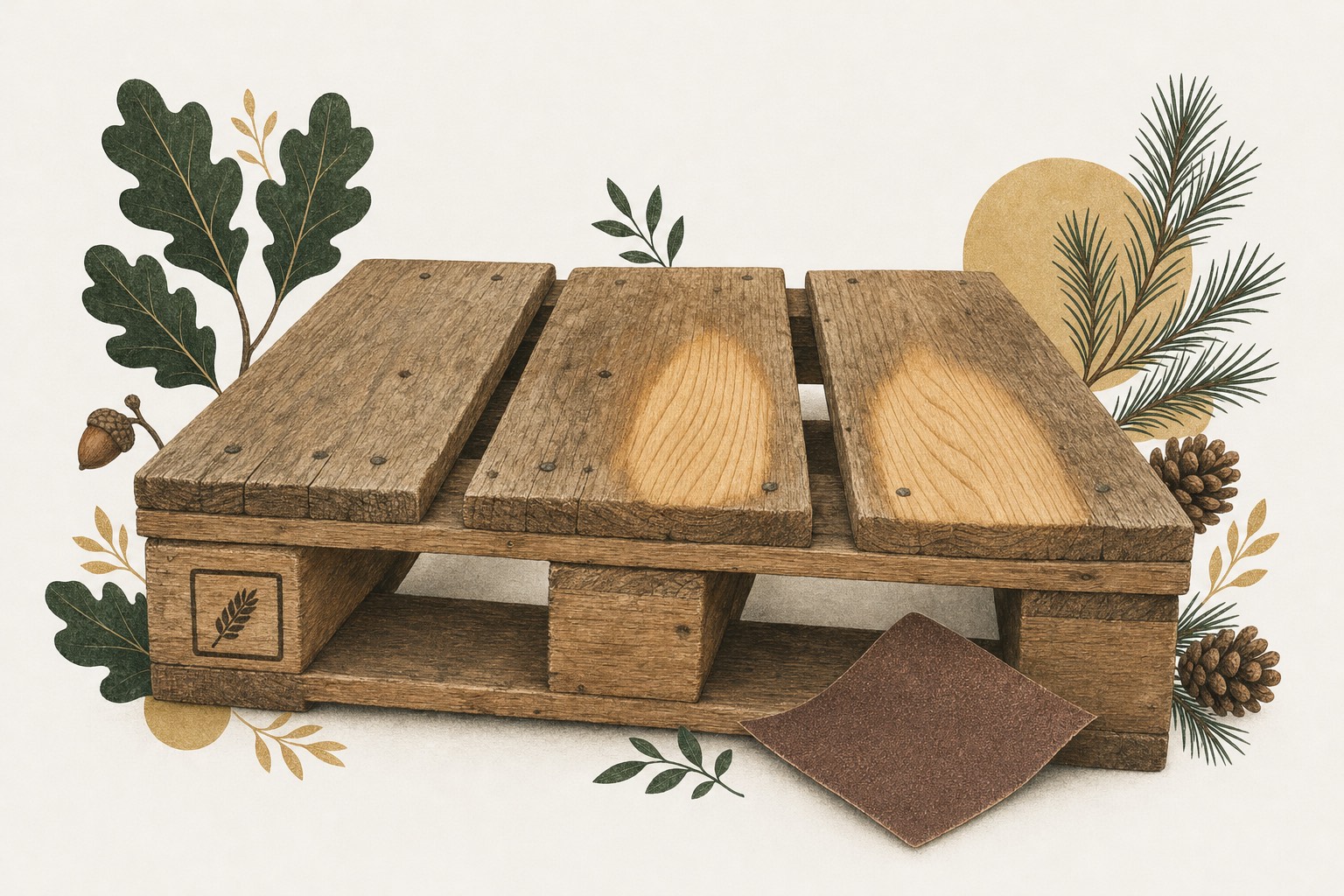
What wood are pallets made of?
Pallets are mostly oak, mixed hardwoods and southern yellow pine. How to read the HT and MB stamps, which pallets are safe for projects, and how to identify the wood.
Read the guide →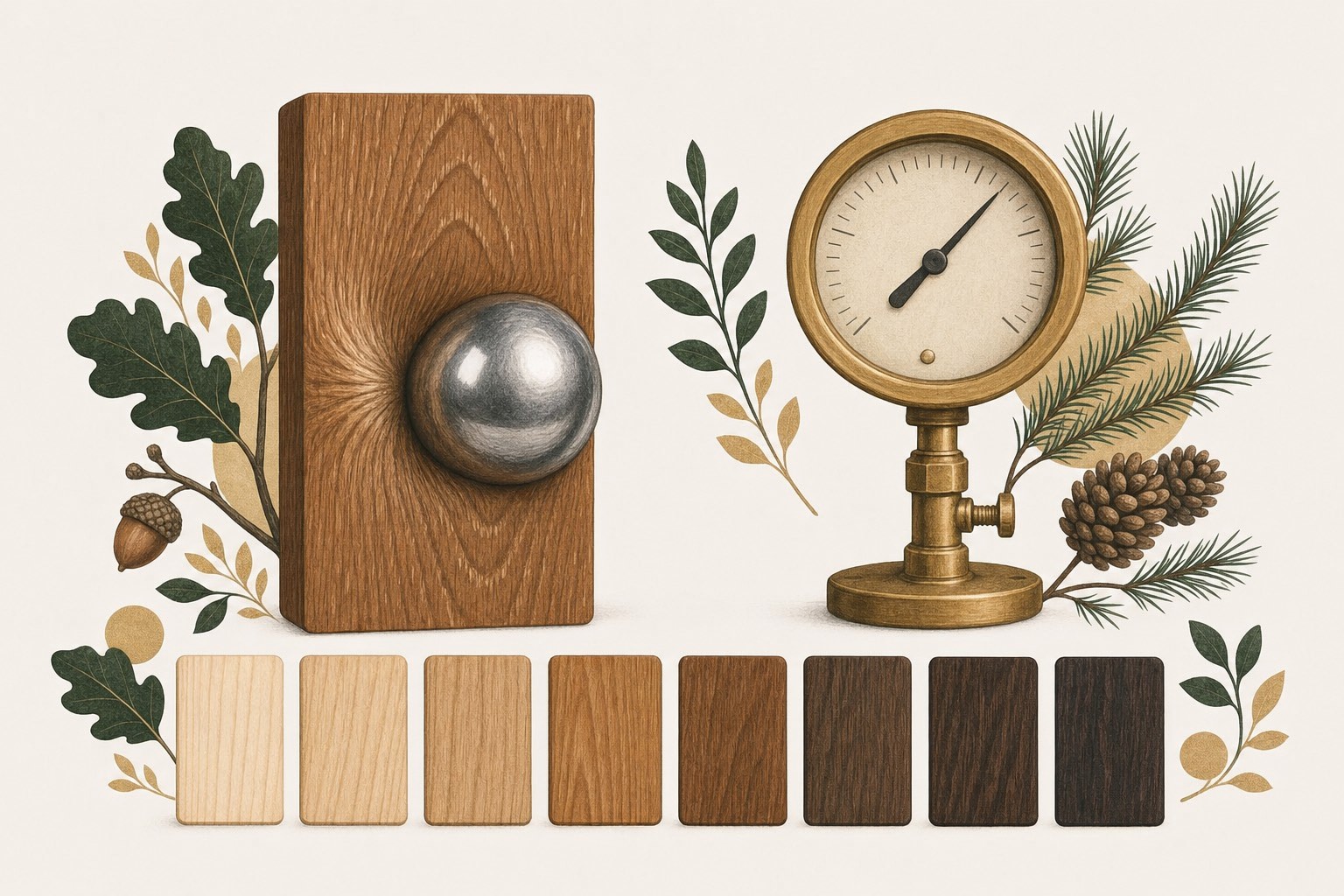
The Janka hardness scale explained
What the Janka hardness test measures, how to read the numbers, and a chart of common woods from balsa to ipe, with what the rating means for floors and furniture.
Read the guide →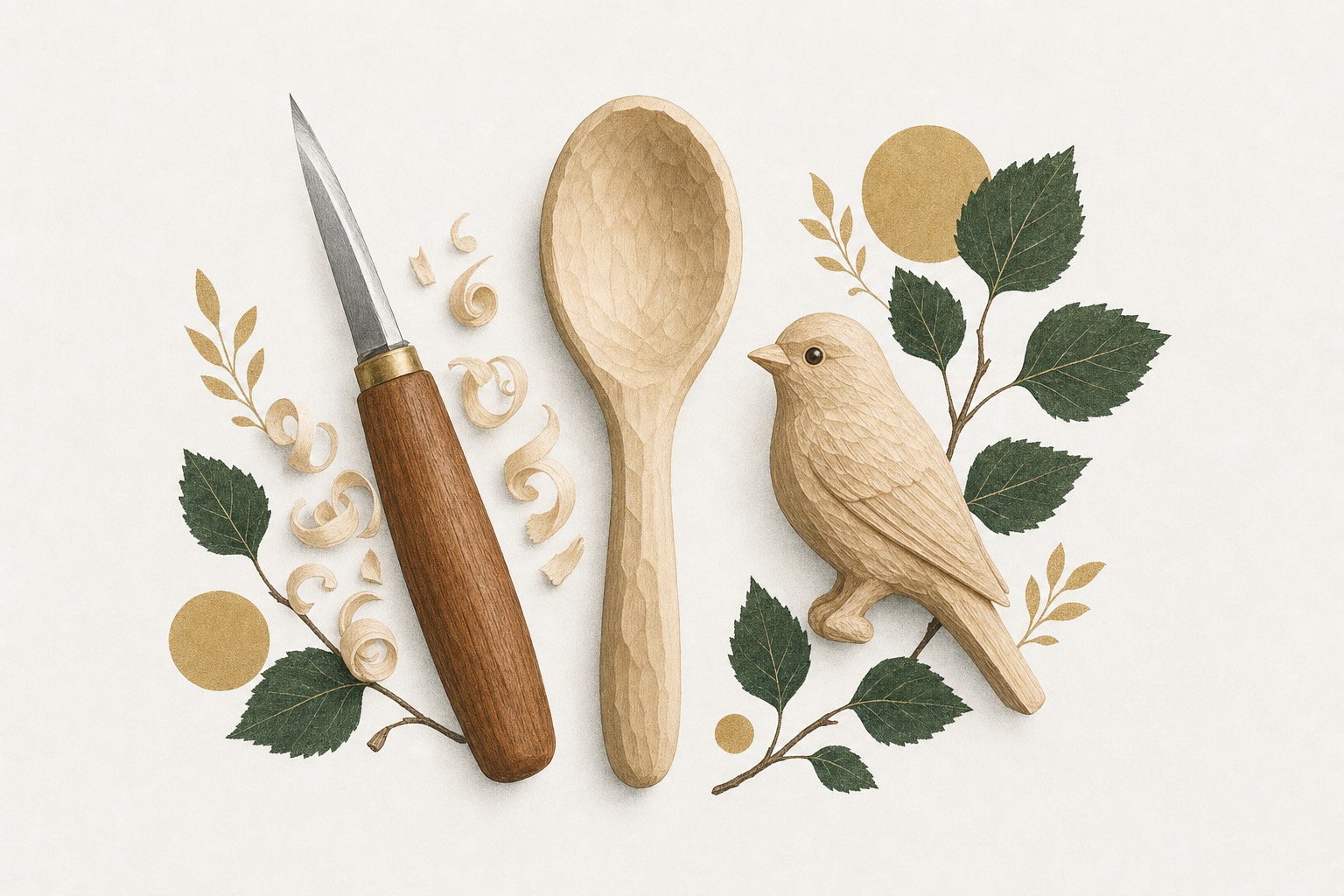
The best wood for carving and whittling
Basswood, butternut, white pine and tupelo for whittling and relief carving; birch, cherry and maple for spoons. What makes a wood carve well and which to avoid.
Read the guide →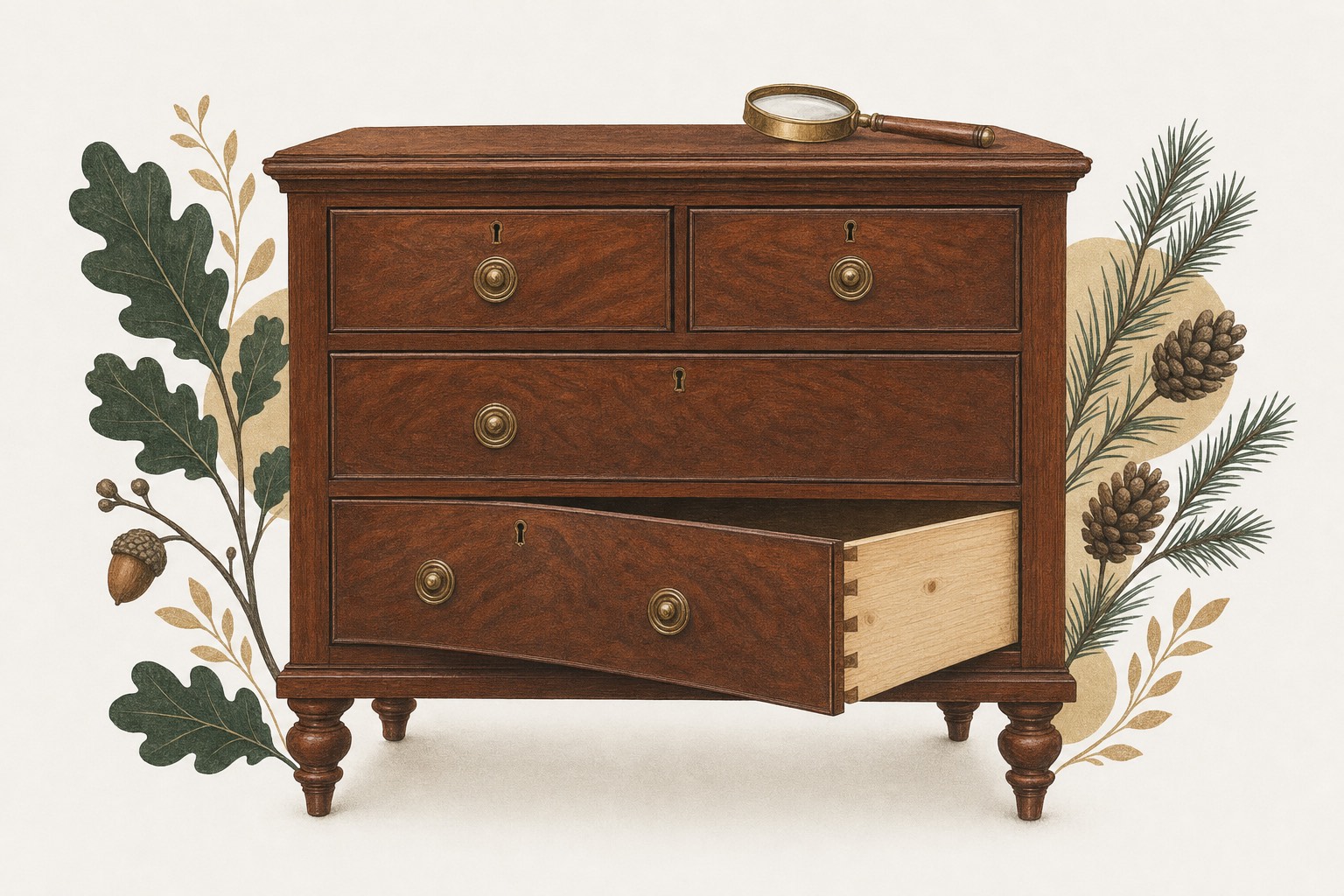
How to identify the wood in antique furniture
Identify the wood in antique furniture: primary and secondary woods, oak, walnut, mahogany and chestnut by era, and the construction clues that help date a piece.
Read the guide →